Tired of persistent aches, muscle stiffness, or the discomfort of a cold day? A microwavable heating pad offers a simple, effective, and natural solution to these common woes. Unlike their electric counterparts, these innovative pads provide soothing warmth without the need for cords, offering unparalleled convenience and portability. This comprehensive guide will explore everything you need to know about microwavable heating pads, from their fundamental benefits and diverse types to essential usage instructions and a detailed buying guide, ensuring you find the perfect companion for your comfort and relief needs.
What is a Microwavable Heating Pad and Why Do You Need One?
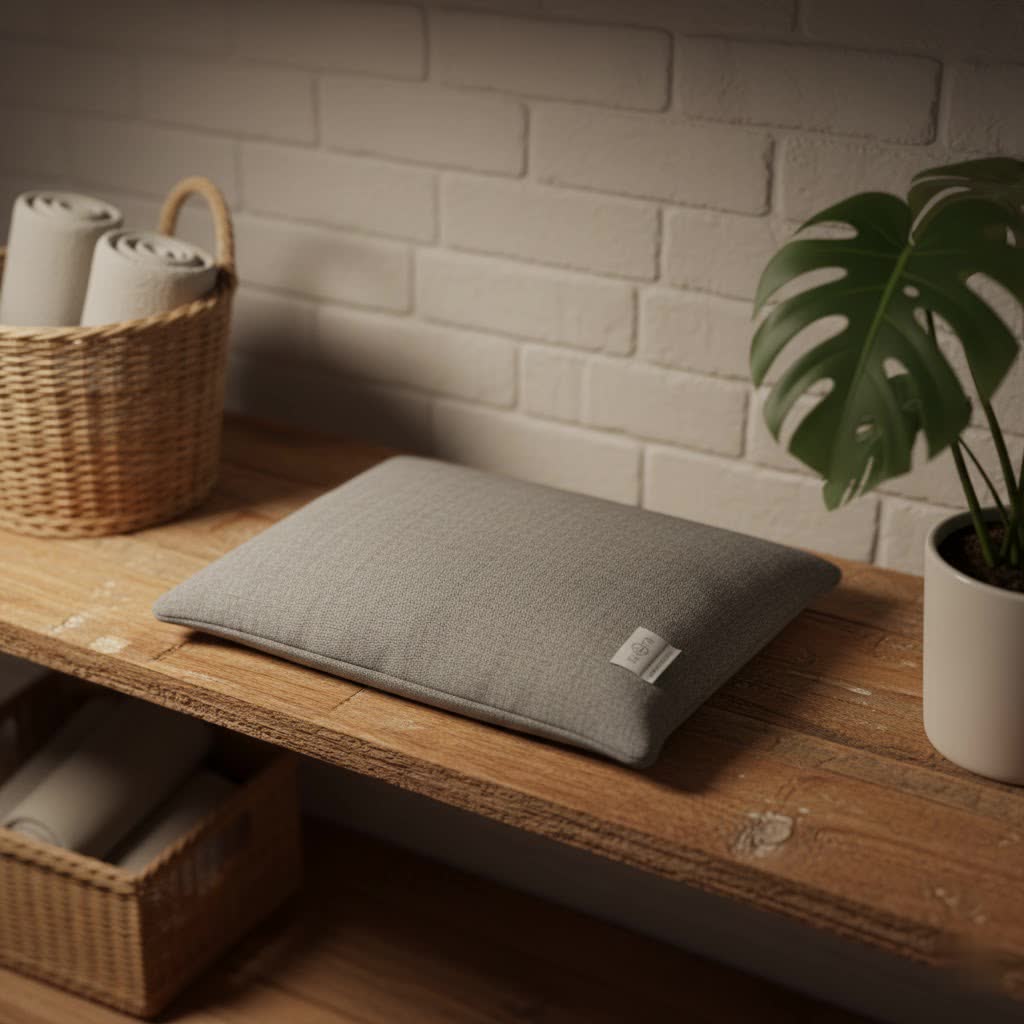
A microwavable heating pad is a specially designed fabric pouch, typically filled with natural materials like grains, seeds, or clay beads, that can be warmed quickly in a microwave oven. Upon heating, these natural fillers absorb and gradually release heat, often providing a gentle, moist warmth that penetrates deeply into tissues. This characteristic moist heat is frequently cited for its superior therapeutic benefits compared to dry heat.
The primary function of these pads is to deliver targeted heat therapy, offering a wide array of health benefits. They are highly effective in alleviating various types of pain, including muscle aches, stiff joints, back pain, neck and shoulder tension, and abdominal cramps, such as those associated with menstruation. Beyond pain relief, the warmth promotes muscle relaxation, reduces stress, and improves localized blood circulation, aiding in the healing process and fostering a general sense of well-being. Many find them invaluable for warming cold hands and feet, or simply for cozy comfort during chilly weather.
While incredibly beneficial, there are specific situations for their use. Microwavable heating pads are ideal for chronic aches, muscle stiffness, and general relaxation. However, they should never be applied to broken or irritated skin, open wounds, or areas with compromised sensation, such as in advanced diabetes, to prevent injury. They are also not recommended for use while sleeping.
Exploring the Diverse World of Microwavable Heating Pad Types
The market offers a rich variety of microwavable heating pads, each designed to cater to different needs and preferences. Understanding these variations can help you select the most suitable pad.
Fillings and Their Properties
The core of any microwavable heating pad lies in its filling, which determines its heat retention, moist heat delivery, and even its aroma.
- Flaxseed: Often considered a premium filling, flaxseed provides a gentle, moist heat that conforms well to the body’s contours. It retains heat for a good duration and has a subtle, pleasant aroma when warmed.
- Rice: A common and effective filler, rice offers consistent dry heat. While it doesn’t naturally produce moist heat like flaxseed, its density allows for prolonged warmth.
- Wheat: Similar to rice, wheat berries are excellent at retaining heat. They can provide a moist heat sensation if lightly dampened before microwaving, though this should be done with caution and according to manufacturer instructions.
- Millet and Clay Beads: These fillers offer similar benefits to flaxseed and rice, with clay beads providing a slightly firmer, more weighted feel that can be beneficial for deep tissue comfort.
|
Our Picks for the Best Heating Pad in 2026
As an Amazon Associate I earn from qualifying purchases.
|
||
| Num | Product | Action |
|---|---|---|
| 1 | Sunbeam XL Heating Pad for Back Neck and Shoulder Pain Relief with Sponge for Moist Heating Option Extra Large 12 x 24" Blue |

|
| 2 | VAAGHANM Heating Pad: 33 x 17 inches Electric Heating Pad for Back -Extra Large Heat Pad for Shoulder/Neck/Knee/Arms - Upgraded 6 Timer & 6 Temperature Controller -Auto Shut Off |
|
| 3 | Electric Heating pad for Back Neck Shoulder Knee Arms Legs- Electric Heat Pads with 6 Heat Settings & Auto Shut Off &Dry/Moist Heat Heating Pad for Birthday Mother Father Gril Men Women |
|
| 4 | GENIANI XL Electric Heating Pad for Back Pain & Cramps Relief, Electric Throw, Birthday Christmas Gifts for Women, Men Auto Shut Off, Machine Washable, Heat Pad for Neck & Shoulder, 12×24", Tabby Gray |
|
| 5 | Heating Pad for Period Cramps, Heating Pad for Back/Neck/Shoulder Muscle Pain, 6 Heating&4 Timer Setting, Auto Shut Off, Dry/Moist Heat & Machine Washable, Gray Birthday Christmas Gifts for Women Mom |
|
| 6 | Heating Pads for Back Neck Shoulder Pain, Electric Heating Pad Auto Shut Off, Fast Heat, Large Heating Pad Christmas Gifts for Women Men, Birthday Gifts for Mom Dad (Blue) |
|
| 7 | Deka Cherry Stone Filled Heating Pad – 100% Cotton Microwave Heat Pillow 21x21cm – Natural Cherry Pit Neck & Shoulder Warmer, Hot & Cold Compress, Washable Cover |
|
| 8 | Sunbeam Premium Sunbeam Heating Pad with Compact Storage, Standard Size, Gray |
|
| 9 | GENIANI XL Electric Heating Pad for Back Pain & Cramps Relief, Electric Throw, Auto Shut Off, Machine Washable, Moist Heat Pad for Neck & Shoulder - Christmas Gift for Women, Extra Large 24x12 |
|
| 10 | Deepsoon Heating Pad,Electric Heating Pads for Back,Neck,Abdomen,Moist Heating Pad for Shoulder,Knee,Arms,Legs,Dry/Moist Heat & Auto Shut Off,Christmas Gifts for Men and Women,Light Gray,24x12 Inch |
|
Shapes, Sizes, and Specialized Designs
Microwavable heating pads come in an array of shapes and sizes, each optimized for specific body parts and applications.
- Rectangular Pads: These versatile pads are perfect for larger areas like the back, abdomen, or legs. Their simple design makes them a general-purpose choice for widespread comfort.
- Neck and Shoulder Wraps (C-shaped): Designed to contour around the neck and drape over the shoulders, these provide targeted relief for tension headaches, “tech neck,” and upper back stiffness. Many feature higher collars to reach the base of the skull.
- Eye Masks: Smaller, lighter pads designed to rest over the eyes, offering relief for dry eyes, migraines, or simply deep relaxation.
- Mittens and Slippers: These provide focused warmth for cold hands and feet, often favored by individuals with arthritis or poor circulation in extremities.
- Segmented/Chambered Designs: Many pads feature internal stitching that creates multiple chambers. This design ensures the filling remains evenly distributed, preventing clumping and cold spots, and allowing the pad to conform more effectively to the body.
Added Features
To enhance the therapeutic experience, many microwavable heating pads incorporate additional features:
- Aromatherapy: Some pads are infused with dried herbs like lavender, which release a calming, soothing scent when heated, combining physical warmth with relaxation benefits.
- Dual-Sided Fabrics: Often, pads will have one side made of a soft, plush fabric like fleece for gentle contact, and the other side made of cotton or a more durable material for extra heat retention or a different tactile experience.
- Hot and Cold Therapy: Many natural filler pads are versatile enough to be chilled in a freezer for use as a cold compress, providing relief for swelling, bruises, sprains, or even headaches and fever.
Microwavable vs. Electric Heating Pads: A Comprehensive Comparison
When choosing a heating pad, one of the most common dilemmas is deciding between a microwavable and an electric model. Both offer effective heat therapy, but their distinct features cater to different preferences and needs.
| Criterion | Microwavable Heating Pad | Electric Heating Pad |
|---|---|---|
| Portability | Highly portable, cordless, usable anywhere. | Limited by cord length and proximity to power outlet. |
| Heat Source | Microwave oven for internal heating of natural fillers. | Electrical outlet for continuous power. |
| Heat Consistency | Gradually cools down, requires reheating for prolonged warmth. | Consistent and adjustable heat for extended periods. |
| Temperature Control | Controlled by heating time in microwave; less precise. | Often has multiple preset heat settings and auto-shutoff. |
| Cost | Generally lower upfront cost; no electricity bill impact. | Higher upfront cost; contributes to electricity bill. |
| Safety | No electrical hazards; risk of overheating/burns if misused. | Risk of electrical malfunctions, shocks, or burns if damaged. |
| Moist Heat | Naturally provides moist heat from natural fillers. | Some models offer moist heat, often by dampening a cover. |
| Durability | Fillers may dry out over time, potentially less durable. | Typically more durable for long-term, frequent use. |
| Maintenance | Spot clean only; fillers not washable. | Many covers are machine washable; pad itself not washable. |
Microwavable heating pads excel in convenience and portability, making them ideal for on-the-go relief, travel, or use in any room without being tethered to an outlet. They offer a more natural form of moist heat therapy and are often more cost-effective and environmentally friendly due to not requiring continuous electricity.
However, electric heating pads provide consistent, prolonged heat with precise temperature control, making them superior for long therapy sessions or chronic conditions requiring a steady warmth. The choice ultimately depends on whether you prioritize immediate, portable comfort with moist heat or extended, controlled warmth.
Your Ultimate Buying Guide: How to Choose the Perfect Microwavable Heating Pad
Selecting the right microwavable heating pad involves considering several factors to ensure it meets your specific needs and provides optimal comfort and relief.
1. Identify Your Usage Needs
Begin by determining why you need a heating pad and where you’ll use it.
- Target Area: Are you looking to relieve pain in your lower back, neck, shoulders, abdomen, hands, or feet? This will dictate the appropriate size and shape. A large rectangular pad is good for the back, while a C-shaped wrap is ideal for the neck and shoulders.
- Purpose: Is it for acute pain relief, chronic discomfort, muscle relaxation, warmth, or a combination of heat and cold therapy?
- Frequency: Will it be for occasional use or daily relief? This can influence considerations like durability and ease of maintenance.
2. Consider the Filling Material
The internal filling significantly impacts the pad’s performance and feel.
- Moist Heat Preference: If you desire deep, moist heat, opt for pads filled with flaxseed or wheat. These tend to hold moisture better.
- Heat Retention: Rice, wheat, and clay beads are known for excellent heat retention, keeping the pad warm for longer periods.
- Aroma: If you enjoy aromatherapy benefits, choose pads infused with lavender or other natural herbs.
3. Evaluate Key Features and Design
Look for features that enhance usability, comfort, and safety.
- Shape and Flexibility: The pad should be flexible enough to conform to your body. Segmented designs help keep fillers evenly distributed, preventing lumps and ensuring consistent heat.
- Cover Material: Consider the fabric. Soft, plush materials like fleece are comfortable against the skin, while durable cotton may offer better heat retention. Check if the cover is removable and washable (though many microwavable pads are spot-clean only).
- Hot/Cold Versatility: If you need both heat and cold therapy, ensure the pad is explicitly designed for freezer use.
4. Check Technical Specifications and Safety
While less complex than electric pads, some specifications are important.
- Heating Time: Most pads heat up in 1-3 minutes. Fast heating is convenient for quick relief.
- Manufacturer Instructions: Always prioritize pads with clear, comprehensive heating, usage, and care instructions. This is crucial for safety.
5. Read Reviews and Compare Options
Before making a purchase, invest time in researching.
- User Feedback: Read reviews from other users on heat retention, comfort, durability, and how well it conforms to the body. Pay attention to comments regarding ease of heating and cooling.
- Brand Reputation: Choose products from reputable brands known for quality and safety.
Top Characteristics of Highly-Rated Microwavable Heating Pads
While specific product recommendations can vary, highly-rated microwavable heating pads consistently share certain characteristics that make them stand out. These often include a versatile design, superior heat retention, and user-friendly features.
Many popular pads are lauded for their ability to deliver deep, penetrating moist heat, which is often achieved through natural fillings like flaxseed or a blend of grains. Users frequently highlight pads that are flexible and conform easily to various body parts, from the curve of the neck to the contours of the lower back, ensuring targeted relief.
Products that offer dual functionality for both hot and cold therapy are also highly favored, providing year-round utility for a range of ailments. The inclusion of aromatherapy benefits, particularly with soothing lavender, is another feature that elevates the user experience, transforming simple heat therapy into a more relaxing and therapeutic ritual. Furthermore, pads with durable, soft covers that are pleasant against the skin and maintain their integrity over many uses tend to receive high marks for both comfort and longevity. Effective heat distribution, often achieved through clever chambered designs, ensures that there are no uncomfortable hot spots, allowing for a consistently warm and comforting application.
Safe Usage and Care for Your Microwavable Heating Pad
To maximize the benefits and ensure the longevity and safety of your microwavable heating pad, proper usage and care are paramount.
How to Use Your Heating Pad Safely
- Read Instructions Thoroughly: Always consult the manufacturer’s specific instructions for your heating pad. Heating times and safety precautions can vary between products.
- Heat Properly:
- Place the pad on a clean, dry, microwave-safe plate in the center of the microwave.
- Heat on a high setting for the recommended duration, often between 1 to 3 minutes, flipping it over halfway through for even heating.
- For wheat or seed-filled pads, consider placing a small microwave-safe cup of water alongside the pad every 8-10 uses. This helps maintain moisture in the grains, preventing them from drying out or burning.
- Test Temperature: After heating, always test the pad’s temperature on your wrist or the back of your hand. It should feel comfortably warm, not uncomfortably hot. If it’s too hot, let it cool down slightly before application.
- Use a Barrier: Place a thin cloth or towel between the heating pad and your skin, especially if you have sensitive skin. This acts as an important barrier against potential burns.
- Limit Application Time: Apply the heating pad for no more than 15-20 minutes at a time. Prolonged direct heat exposure can lead to skin irritation or even “toasted skin syndrome,” a discoloration of the skin. Allow breaks between sessions.
- Never Overheat: Do not exceed the recommended heating time. Overheating can damage the internal fillers, potentially causing burns or even a fire hazard. If you need more warmth, let the pad cool completely before reheating for a slightly longer duration.
- Avoid Certain Areas: Do not apply the heating pad to broken, irritated, numb, or inflamed skin. Also, never use it while sleeping, as this can lead to prolonged, unnoticed heat exposure and potential burns.
- Check for Metal: Ensure there are no metal zippers, tags, or components on the pad before placing it in the microwave, as metal can cause sparks or fires.
Care and Storage for Longevity
- Storage: Store your microwavable heating pad in a cool, dry place when not in use. Some users store them in a sealed plastic bag to protect the natural fillers from moisture and odors.
- Cleaning: Most microwavable heating pads are not machine washable. If the fabric cover becomes soiled, spot clean it gently with a damp cloth and mild soap, then allow it to air dry completely before reheating or storing.
- Regular Inspection: Periodically inspect your heating pad for any signs of wear and tear, such as frayed fabric, holes, or a burnt smell from the filling. If you notice significant damage or a persistent burnt odor, it’s time to replace the pad to ensure safety.
Conclusion
Microwavable heating pads offer a compelling combination of convenience, portability, and natural moist heat therapy, making them an excellent choice for anyone seeking relief from muscle aches, stiffness, cramps, or simply a comforting warmth. From understanding the diverse types and fillings to mastering safe usage and care practices, the journey to finding your ideal heating companion is now clearer. By selecting a pad that aligns with your specific needs and diligently following safety guidelines, you can unlock a world of soothing comfort and effective pain management, anytime, anywhere.
What’s your go-to method for unwinding after a long day – a warm embrace from a microwavable heating pad, or something else?
Frequently Asked Questions
How long does a microwavable heating pad typically stay warm?
The warmth duration of a microwavable heating pad can vary depending on its size, filling material, and the initial heating time. Generally, these pads can provide soothing heat for approximately 15 to 45 minutes before they begin to cool down and require reheating.
Can you wash a microwavable heating pad?
In most cases, microwavable heating pads are not designed to be fully washed due to their natural grain or seed fillings. It is usually recommended to spot clean the pad with a damp cloth and mild soap, ensuring it is completely air-dried before reheating or storing to prevent damage to the internal materials.
Are microwavable heating pads safe to use?
Yes, microwavable heating pads are safe when used correctly and according to the manufacturer’s instructions. Key safety practices include testing the temperature before applying to skin, using a cloth barrier, limiting application time to 15-20 minutes, never overheating, and avoiding use on broken skin or while sleeping.
What are microwavable heating pads commonly filled with?
Microwavable heating pads are typically filled with natural materials chosen for their heat retention properties. Common fillings include flaxseed, rice, wheat, millet, and clay beads. Some pads may also include aromatic herbs like lavender for added therapeutic benefits.
Can I heat my microwavable heating pad in a conventional oven instead of a microwave?
While some sources mention heating wheat bags in a conventional oven as an alternative, it is generally not recommended and carries higher risks of uneven heating or burning. Microwaving is the safest and most efficient method. If considering oven heating, extreme caution, low temperatures (e.g., 120ºC/248°F with oven off after preheating), and constant supervision are absolutely essential, and a gas oven should never be used.
