Are you seeking a simple, natural way to soothe everyday aches, calm muscle tension, or find comfort during a chilly evening? Look no further than the humble yet incredibly effective Rice Pack Heating Pad. These versatile wonders offer a therapeutic blend of warmth and gentle pressure, providing relief without the complexities of electric devices or chemicals. If you’ve ever felt the comforting embrace of moist heat melting away discomfort, then understanding the world of rice pack heating pads is your next step toward holistic well-being.
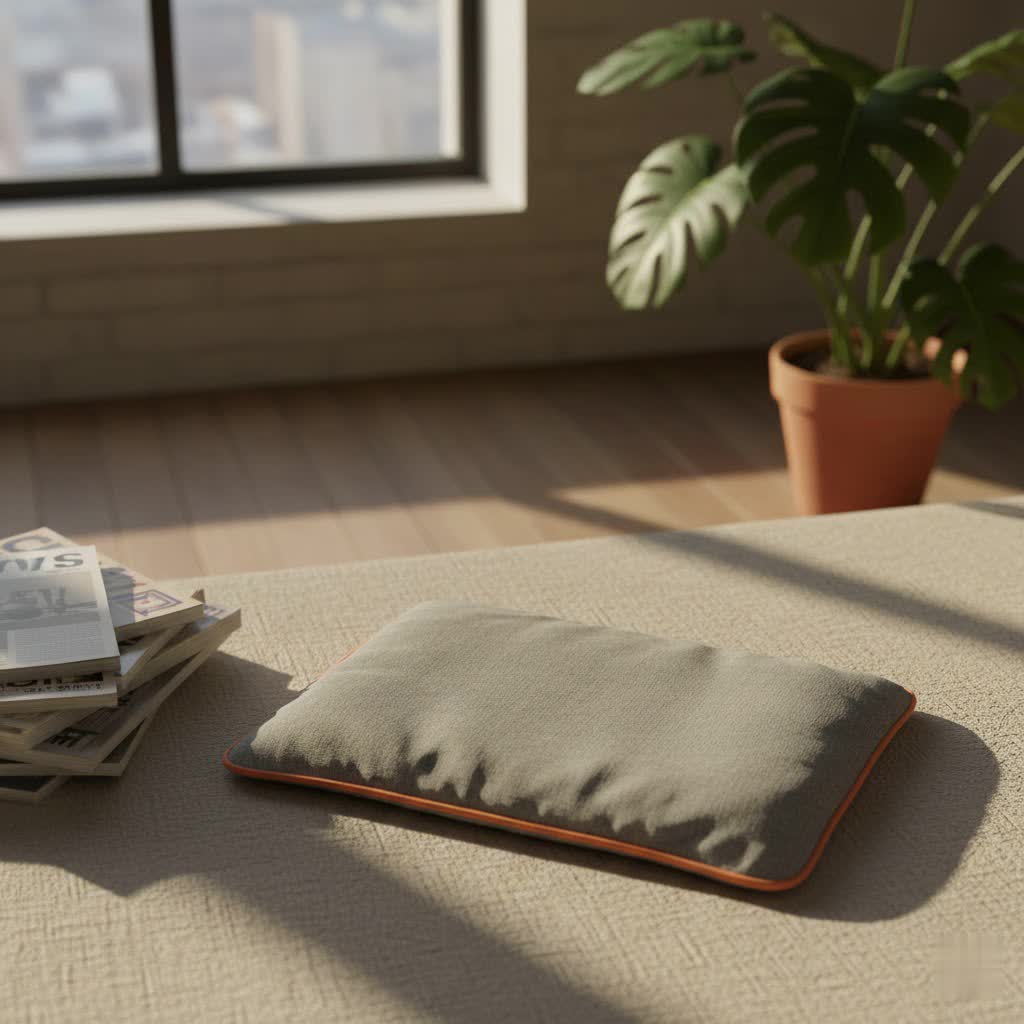
In this comprehensive guide, we’ll dive deep into everything you need to know about rice pack heating pads. From their fundamental benefits and how they compare to other options, to step-by-step instructions for making your own and essential safety tips, we’ll equip you with all the knowledge to harness their soothing power. Get ready to discover your new favorite natural remedy for relaxation and pain relief.
Understanding Rice Pack Heating Pads: Your Natural Soothing Solution
What is a Rice Pack Heating Pad?
|
Our Picks for the Best Heating Pad in 2026
As an Amazon Associate I earn from qualifying purchases.
|
||
| Num | Product | Action |
|---|---|---|
| 1 | Electric Heating pad for Back Neck Shoulder Knee Arms Legs- Electric Heat Pads with 6 Heat Settings & Auto Shut Off &Dry/Moist Heat Heating Pad for Birthday Mother Father Gril Men Women |

|
| 2 | GENIANI XL Electric Heating Pad for Back Pain & Cramps Relief, Electric Throw, Auto Shut Off, Machine Washable, Moist Heat Pad for Neck & Shoulder - Christmas Gift for Women, Extra Large 24x12 |
|
| 3 | Heating Pads for Back Neck Shoulder Pain, Electric Heating Pad Auto Shut Off, Fast Heat, Large Heating Pad Christmas Gifts for Women Men, Birthday Gifts for Mom Dad (Blue) |
|
| 4 | Sunbeam Premium Sunbeam Heating Pad with Compact Storage, Standard Size, Gray |
|
| 5 | Deepsoon Heating Pad,Electric Heating Pads for Back,Neck,Abdomen,Moist Heating Pad for Shoulder,Knee,Arms,Legs,Dry/Moist Heat & Auto Shut Off,Christmas Gifts for Men and Women,Light Gray,24x12 Inch |
|
| 6 | Deka Cherry Stone Filled Heating Pad – 100% Cotton Microwave Heat Pillow 21x21cm – Natural Cherry Pit Neck & Shoulder Warmer, Hot & Cold Compress, Washable Cover |
|
| 7 | GENIANI XL Electric Heating Pad for Back Pain & Cramps Relief, Electric Throw, Birthday Christmas Gifts for Women, Men Auto Shut Off, Machine Washable, Heat Pad for Neck & Shoulder, 12×24", Tabby Gray |
|
| 8 | Sunbeam XL Heating Pad for Back Neck and Shoulder Pain Relief with Sponge for Moist Heating Option Extra Large 12 x 24" Blue |
|
| 9 | Heating Pad for Period Cramps, Heating Pad for Back/Neck/Shoulder Muscle Pain, 6 Heating&4 Timer Setting, Auto Shut Off, Dry/Moist Heat & Machine Washable, Gray Birthday Christmas Gifts for Women Mom |
|
| 10 | VAAGHANM Heating Pad: 33 x 17 inches Electric Heating Pad for Back -Extra Large Heat Pad for Shoulder/Neck/Knee/Arms - Upgraded 6 Timer & 6 Temperature Controller -Auto Shut Off |
|
A rice pack heating pad is a simple yet effective therapeutic device, typically made from a fabric pouch filled with uncooked rice. When heated, usually in a microwave, the rice slowly releases moist, penetrating warmth. These versatile packs can also be chilled in a freezer to provide soothing cold therapy. Their design allows them to conform effortlessly to various body parts, offering targeted relief for discomfort and promoting relaxation.
Why Choose a Rice Pack? Key Benefits
Rice pack heating pads stand out for several compelling reasons, offering a range of benefits that cater to both physical relief and overall well-being:
- Moist Heat Therapy: Unlike dry heat from many electric pads, rice packs naturally release moist heat. This deeper, more penetrating warmth helps to increase blood flow to the affected area, effectively relaxing stiff muscles and alleviating pain.
- Natural & Chemical-Free: Made from simple, natural ingredients – typically rice and cotton fabric – these pads offer a chemical-free alternative to medicated creams or electrically powered devices. They also emit no electromagnetic fields (EMFs), providing a truly natural soothing experience.
- Flexible & Conforming: The granular nature of rice allows the pad to mold perfectly to the contours of your body, whether it’s wrapped around a neck, draped over a shoulder, or placed on a cramped abdomen. This superior conformity ensures that heat or cold reaches exactly where it’s needed most.
- Versatile Use: A single rice pack serves dual purposes: heat it for muscle aches, cramps, and relaxation, or chill it in the freezer to reduce swelling, inflammation, or soothe migraines.
- Eco-Friendly: Being reusable and made from biodegradable materials, rice packs are an environmentally conscious choice. When properly cared for, they can last for years, reducing waste compared to disposable options.
- Portable & Cordless: Enjoy therapy anywhere in your home, at the office, or even while traveling. With no cords or outlets required during use, rice packs offer unparalleled freedom and mobility.
- Aromatherapy Potential: Many users enhance their rice packs by adding a few drops of essential oils like lavender or dried herbs, which release a calming aroma when heated, elevating the therapeutic experience.
When to Use (and When Not to Use) a Rice Pack
Rice pack heating pads are excellent for a variety of conditions, but like any therapeutic tool, they have optimal uses and situations to avoid.
Use for:
- Muscle Aches and Stiffness: Ideal for soothing tired muscles in the back, neck, shoulders, or legs after a workout or a long day.
- Menstrual Cramps and Abdominal Discomfort: The gentle, moist heat can be incredibly effective in easing the discomfort of period pain.
- Arthritis Pain: Applying warmth can help lubricate joints and reduce stiffness associated with arthritis.
- Tension Headaches and Migraines: When used as a cold compress on the forehead or neck, they can help constrict blood vessels and provide relief.
- Cold Hands and Feet: A warm rice pack is perfect for warming up extremities on a chilly day or before bed.
- General Relaxation: The comforting warmth promotes a sense of calm and can aid in stress reduction.
Avoid if:
- Compromised Sensation: Do not use on individuals who cannot clearly communicate if the pack feels too hot, such as infants, the elderly, or those with nerve damage (neuropathy).
- Open Wounds or Broken Skin: Avoid direct application to prevent infection or irritation.
- Acute Inflammation/Fresh Injuries: For the first 24-48 hours of an acute injury (e.g., sprain, strain), cold therapy is generally recommended to reduce swelling, not heat.
- Certain Medical Conditions: If you have conditions like diabetes, circulatory issues, or skin conditions, consult a healthcare professional before use.
“For anyone seeking a holistic approach to managing daily aches, a rice pack is an invaluable tool in the natural medicine cabinet. Its ability to offer both heat and cold therapy makes it incredibly versatile for various complaints.” – Admin, ReviewerCoE, Heating Pad Specialist
Exploring Different Heating Pad Options
When it comes to relieving discomfort, you have a range of heating pad options. Understanding the distinctions between them can help you choose the best fit for your needs.
Rice Pack Heating Pads: A Closer Look
Rice pack heating pads offer a natural, adaptable solution for pain relief.
- Pros: They provide soothing moist heat that penetrates deeply, are entirely cordless for ultimate portability, and are made from natural, eco-friendly materials. You can easily customize them with essential oils for an aromatherapy boost and use them for both hot and cold therapy. Their pliable nature allows them to conform to any body part.
- Cons: The heat duration is limited, typically lasting 25-70 minutes before needing reheating. Over time, rice can absorb moisture, potentially leading to a faint “burnt rice” smell or decay if not stored properly. They require a microwave or oven for heating, which isn’t always convenient.
Electric Heating Pads
Electric heating pads have long been a popular choice due to their consistent heat output.
- Pros: They offer continuous, consistent heat for extended periods, often with adjustable temperature settings for precise control. Many come with automatic shut-off timers for safety and are available in various shapes and sizes for targeted relief.
- Cons: They typically provide dry heat, which may not penetrate as deeply as moist heat. They are cord-dependent, limiting mobility, and carry inherent risks such as potential electrical shorts, overheating, and burns from prolonged use. Some users also express concerns about EMF exposure.
Other Natural Fillers
While rice is a popular choice, other natural fillers are also used in microwavable heating pads:
- Flaxseed: Known for its fine texture, allowing for excellent conformity, and ability to hold heat for a decent duration. It also offers moist heat.
- Cherry Pits: Offers a pleasant, natural aroma when heated and retains heat very well.
- Corn: Similar to rice, it provides moist heat and good conformity.
Rice is often favored for its affordability, widespread availability, and good heat retention and conformity, making it a reliable choice for DIY and commercial natural heating pads.
Comparison Table: Rice Pack vs. Electric Heating Pad
| Feature | Rice Pack Heating Pad | Electric Heating Pad |
|---|---|---|
| Heat Type | Moist heat (deep penetration) | Dry heat |
| Heat Duration | ~25-70 minutes (requires reheating) | Continuous (with auto-shutoff) |
| Power Source | Microwave/Oven (cordless during use) | Electricity (cord-dependent) |
| Safety Risks | Overheating (fire risk if misused), decay/smell | Overheating, electrical shorts, burns, EMF exposure |
| Flexibility | High (conforms to body) | Varies by design |
| Environmental | Eco-friendly, reusable, compostable | Electronic waste |
| Cost | Generally lower (especially DIY) | Higher initial cost |
| Aromatherapy | Yes (add essential oils/herbs) | No |
| Cold Therapy | Yes (can be frozen) | No |
Your Comprehensive Buying Guide to Rice Pack Heating Pads
Choosing the perfect rice pack heating pad means considering your individual needs and preferences. Here’s a detailed guide to help you make an informed decision:
1. Identify Your Needs
Before anything else, pinpoint why and how you’ll be using your rice pack.
- Target Area: Are you primarily seeking relief for a specific body part, such as your neck, shoulders, lower back, abdomen, or hands/feet? The size and shape of the pad will be crucial here.
- Purpose: Is your main goal pain relief, muscle relaxation, warmth, or primarily cold therapy for injuries or headaches?
- Size & Shape: Consider ergonomic designs. A long, narrow pack might be ideal for the neck and shoulders, while a larger, rectangular one could suit the back or stomach. Smaller packs are perfect for hands or localized pain.
2. Material & Construction
The quality of materials and construction significantly impacts the effectiveness and longevity of your rice pack.
- Fabric: Always opt for 100% cotton fabric. Cotton is durable, heat-resistant, and breathable, making it the safest choice for microwave and oven heating. Avoid synthetic fabrics, as they can melt or burn.
- Stitching: Look for strong, reinforced seams to ensure the rice doesn’t leak out over time. For larger pads, internal compartments or “baffles” are beneficial as they prevent the rice from clumping to one side, ensuring even heat distribution.
- Filler: Plain, uncooked white rice is the most common and effective filler. Avoid instant rice. Some pads may include dried herbs (like lavender) or essential oils for an added aromatherapy benefit.
3. Heating & Cooling Options
Consider how you plan to heat and cool your pack.
- Microwave: This is the most common and convenient heating method. Ensure the fabric is microwave-safe.
- Oven: An alternative for those without microwaves. This method requires extra caution, using 100% cotton fabric, placing the pack on a tray with a dish of water to prevent drying, and never leaving it unattended.
- Freezer: For cold therapy, any rice pack can be placed in the freezer. Always store it in a sealed plastic bag to protect it from moisture and freezer odors.
4. Read Reviews & Compare
Leverage the experiences of other users to guide your choice.
- User Feedback: Check reviews on online marketplaces or forums for insights on how well the pad retains heat, its durability, and any reported issues with scent or construction.
- Price Comparison: Compare prices across different brands and consider DIY options if budget is a major factor. Remember that a higher price often reflects better material quality and craftsmanship.
“The best rice pack is one that feels right for you. Pay attention to the fabric, the fill, and how well it drapes over your body. These details make all the difference in comfort and effectiveness.” – Admin, ReviewerCoE, Heating Pad Specialist
DIY Your Own Rice Pack Heating Pad: Simple Steps
Creating your own rice pack heating pad is a rewarding and simple project, offering a customized solution for your comfort needs. You can choose a no-sew method for quick relief or a sewn version for a more durable and tailored design.
What You’ll Need
- Rice: Uncooked white rice (e.g., long-grain white rice). Avoid instant rice as it can dry out and burn faster.
- Fabric:
- Sewn Method: 100% cotton fabric (e.g., flannel, canvas, an old cotton pillowcase, or sturdy cotton blend). Choose a size appropriate for your needs.
- No-Sew Method: A clean, hole-free 100% cotton tube sock.
- Optional: Essential oils (e.g., lavender for relaxation, eucalyptus for congestion) or dried herbs (e.g., lavender buds, chamomile).
- Tools:
- Sewn Method: Sewing machine or needle and thread, scissors, pins, funnel (optional but helpful for filling).
- No-Sew Method: Scissors, funnel (optional), strong string or rubber bands.
Step-by-Step Instructions (Sewn Method)
This method creates a more polished and durable heating pad.
- Cut Fabric: Decide on your desired size. A common size is 12×6 inches for general use, or longer for neck/shoulder wraps. Cut two pieces of your cotton fabric to this size, plus a 1/2-inch seam allowance on all sides. For a single-piece design, cut one piece twice as long as desired, plus seam allowance, and fold it in half.
- Sew Sides: Place the fabric pieces right sides together (or fold your single piece in half, right sides together). Stitch along three of the sides, leaving one short side completely open. If creating compartments (baffles) for larger pads, sew lines across the width after turning and partially filling.
- Turn & Fill: Turn the fabric pouch right side out. Using a funnel or scoop, fill the pouch about 2/3 to 3/4 full with uncooked rice. This allows for flexibility and contouring. If adding essential oils, mix 3-4 drops with the rice before filling.
- Seal: Fold the raw edges of the open side inwards about 1/2 inch to create a clean seam. Pin it closed, then carefully stitch the opening shut, either by hand or machine. For added durability, double stitch this seam.
No-Sew Method (Using a Sock)
This is the quickest and easiest way to make a rice pack.
- Choose a Sock: Select a clean, hole-free 100% cotton tube sock. Longer socks are more versatile.
- Fill with Rice: Place the open end of the sock into a tall cup or use a funnel to make filling easier. Fill the sock about 2/3 to 3/4 full with uncooked rice. Ensure there’s enough room to tie a secure knot.
- Tie Securely: Remove the sock from the cup (if used). Firmly tie a knot at the open end of the sock, making sure the rice is completely enclosed. You can double-knot for extra security or use a strong ribbon/rubber band.
“The beauty of a DIY rice pack is its simplicity. You can literally whip one up in minutes with items you likely already have at home, offering instant comfort when you need it most.” – Admin, ReviewerCoE, Heating Pad Specialist
Safe Usage and Care for Your Rice Pack Heating Pad
To maximize the life and safety of your rice pack heating pad, proper usage and care are essential.
Heating Your Rice Pack
The microwave is the most common method, but an oven can also be used with extra precautions.
- Microwave: Place the rice pack directly into the microwave. Start with 60-90 seconds on high power. Carefully remove it and test the temperature. If it’s not warm enough, heat in additional 30-second increments, checking the temperature after each interval, until the desired warmth is reached. Microwave power varies, so adjust timing accordingly.
- Oven (Extreme Caution): If you don’t have a microwave, an oven can be used. Preheat your oven to 200°F (95°C). Place the rice pack on a clean, oven-safe tray. Crucially, place a small oven-safe dish filled with water alongside the rice pack to prevent the rice from drying out excessively and becoming brittle. Heat for approximately 30 minutes. If you need a hotter pack, some sources suggest 300-325°F (150-160°C) for 15-20 minutes, but this increases fire risk. Always use 100% cotton fabric for oven heating and never leave the rice pack unattended.
- Always Test: Before applying the hot rice pack to your skin, always test its temperature on a less sensitive area of your body (like the back of your hand or forearm) to prevent burns. Be especially cautious when using on children, the elderly, or individuals with sensitive skin.
Cold Therapy Application
Your versatile rice pack can also provide cooling relief.
- Preparation: Place the rice pack in a sealed plastic bag. This protects the fabric from moisture in the freezer and prevents it from absorbing freezer odors.
- Freezing: Place the bagged rice pack in the freezer for at least an hour, or until it reaches your desired coolness.
- Application: Apply the chilled pack to reduce swelling from injuries, soothe inflammation, or alleviate headaches and fevers.
Cleaning and Storage
Proper maintenance will ensure your rice pack remains effective and hygienic.
- Spot Clean: Never fully immerse your rice pack in water or put it in a washing machine, as the rice will absorb water and can rot, grow mold, or germinate. Instead, spot clean the fabric exterior with a damp cloth and mild soap.
- Drying: If the pack accidentally gets damp or wet, it’s crucial to dry it rapidly to prevent mold or decay. You can place it in the microwave for short bursts (e.g., 30 seconds at a time) or in a low oven (as described above with the water dish) until thoroughly dry.
- Storage: Store your rice pack in a cool, dry place when not in use. Some recommend storing it in an airtight container to protect it from humidity and pests, while others suggest a slightly humid environment to keep the rice from becoming too dry. If you notice a persistent “burnt rice” smell or signs of decay, it’s time to replace your pack.
- Longevity: With proper care, a rice pack can last for several years. However, the rice will eventually break down from repeated heating and cooling cycles, losing its effectiveness. If it feels less pliable, doesn’t retain heat as well, or develops an unpleasant odor, it’s a good indication that a replacement is due.
Conclusion
Rice pack heating pads offer a compelling blend of natural comfort, versatility, and effectiveness for soothing a wide array of aches and pains. From delivering deep, moist heat to reducing swelling with targeted cold therapy, these simple fabric bags filled with rice prove that sometimes the most effective remedies are the simplest ones. They provide a safe, cord-free, and eco-friendly alternative to electric heating pads, allowing you to embrace a more natural approach to well-being.
Whether you choose to craft your own customized pad or select a commercially made option, integrating a rice pack into your self-care routine can transform how you manage discomfort and relax your body. So, why not experience the comforting embrace of a rice pack for yourself? Discover the gentle warmth or refreshing coolness that awaits you, and let nature’s remedy bring a new level of soothing relief into your life.
Frequently Asked Questions
How long do rice heating pads typically stay warm?
Rice heating pads generally retain warmth for about 25-70 minutes, depending on the heating time, the size of the pack, and the ambient temperature. For extended relief, they may need to be reheated.
Can I wash my rice pack heating pad?
No, rice heating pads should not be fully immersed in water or machine washed, as the rice inside can rot, germinate, or grow mold. Instead, spot clean the fabric exterior with a damp cloth and mild soap, then ensure it dries rapidly.
What kind of rice is best for heating pads?
Plain, uncooked white rice, such as long-grain or short-grain, is commonly used due to its affordability and ability to retain heat well. Avoid instant rice, which can dry out quickly and potentially burn. Some people also use other grains like flaxseed or corn.
Is it safe to leave a rice heating pad in the microwave unattended?
No, never leave a rice heating pad unattended while heating it in a microwave or oven. Overheating can cause the rice and fabric to scorch or even catch fire due to their combustible nature. Always monitor heating closely.
Can rice packs be used for cold therapy?
Yes, rice packs are excellent for cold therapy. Simply place the pack in a sealed plastic bag in the freezer for at least an hour. You can then use it as a flexible cold compress for reducing swelling, inflammation, bruises, or relieving headaches and fevers.
