Experiencing persistent lower back pain can feel like a constant battle, affecting daily activities and overall quality of life. In fact, lower back pain is one of the most common complaints globally, impacting a vast majority of adults at some point. While various treatments exist, heat therapy, particularly with a dedicated Lower Back Heating Pad, offers an accessible, non-invasive, and remarkably effective solution for soothing discomfort and promoting healing. But with so many options available, how do you choose the right one? This comprehensive guide will walk you through everything you need to know about selecting, using, and maintaining the perfect heating pad to banish your lower back woes and reclaim comfort.
What is a Heating Pad and Why You Need It for Your Lower Back?
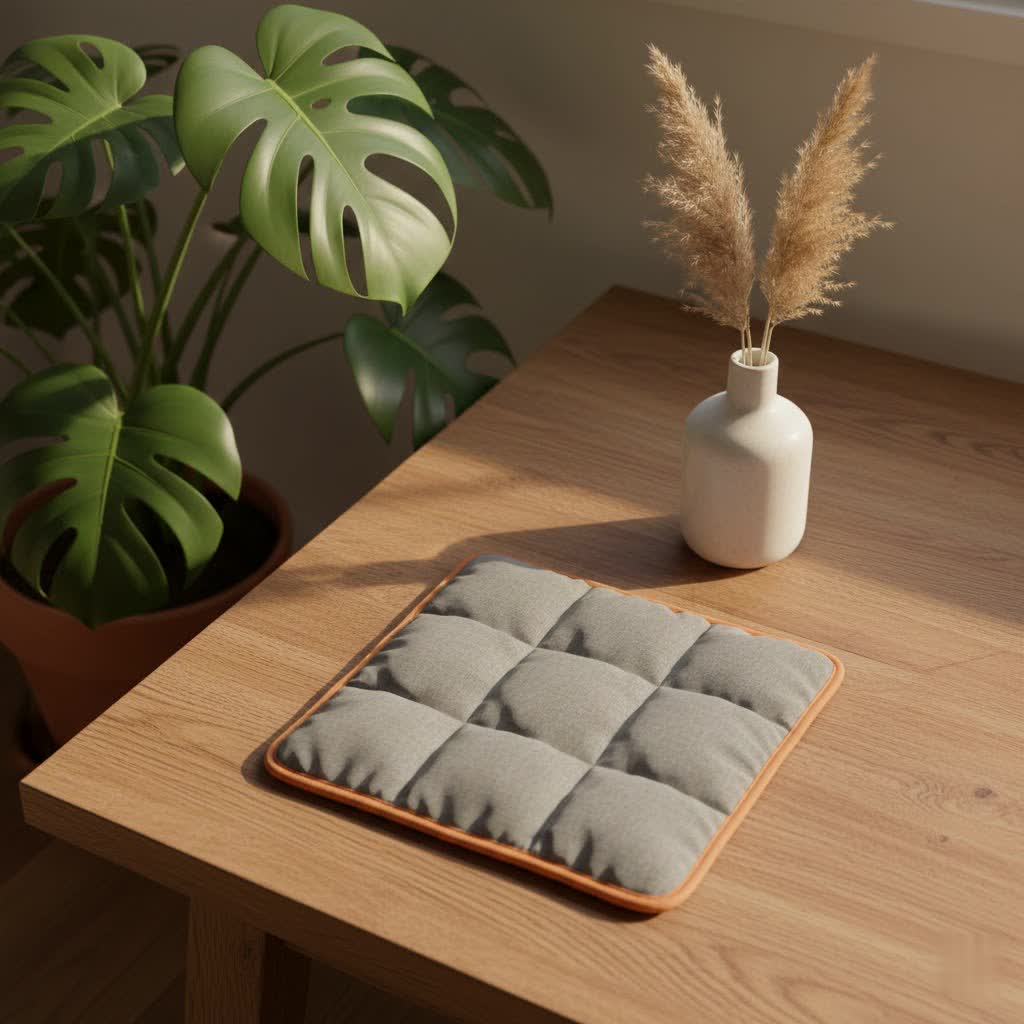
A heating pad is a therapeutic device designed to deliver targeted warmth to specific areas of the body, and it’s a centuries-old remedy that modern technology has refined. For your lower back, these pads provide a consistent and controlled source of heat, making them an indispensable tool in pain management strategies.
The primary benefits of applying heat to your lower back are multifaceted:
- Muscle Relaxation: Heat helps to loosen tight muscles, reducing stiffness and alleviating painful muscle spasms, which are a common cause of lower back discomfort. This relaxation allows for greater flexibility and comfort in movement.
- Increased Blood Flow: Warmth dilates blood vessels, boosting circulation to the affected area. This enhanced blood flow delivers vital oxygen and nutrients to damaged tissues, promoting faster healing and reducing inflammation.
- Pain Signal Interference: Heat stimulates sensory receptors in the skin, which can effectively block or interfere with the transmission of pain signals to your brain, providing immediate relief.
- Stress Reduction: Beyond the physical benefits, the soothing warmth of a heating pad can also have a calming effect on your nervous system, helping to reduce the emotional stress often associated with chronic pain.
When to Use Heat Therapy:
Heating pads are most effective for chronic pain, muscle tension, stiffness, and conditions like arthritis or menstrual cramps. You’ll likely benefit from a heating pad if your pain is muscular, you experience stiffness after prolonged sitting or exercise, or have morning soreness.
When to Avoid Heat Therapy:
While generally safe, heat therapy is not suitable for all types of pain. Avoid using a heating pad if you have a recent injury (within the first 24-48 hours, where cold therapy is typically recommended to reduce swelling), visible swelling or inflammation, numbness, shooting pain (which could indicate nerve involvement like sciatica or a disc issue), open wounds, dermatitis, deep vein thrombosis, diabetes, or poor circulation. Always consult a doctor if you are pregnant, as prolonged exposure to heat can be dangerous.
Popular Types of Heating Pads for Lower Back Pain
The market offers a diverse range of heating pads, each with unique characteristics catering to different needs. Understanding these types is crucial for making an informed decision for your lower back pain.
Electric Heating Pads
Electric heating pads are the most common type, offering convenience and consistent warmth. They plug into an outlet and feature adjustable heat settings, often with auto-shutoff timers for safety. Many models designed for the lower back are extra-large, contoured, or come with straps to ensure they stay securely in place, allowing for hands-free use. Some electric pads can also provide moist heat if their covers are sprayed with water.
- Pros: Adjustable, consistent heat; various sizes and shapes; often include safety features like auto-shutoff; many have machine-washable covers.
- Cons: Requires a power outlet; the cord can limit mobility.
- Best for: Everyday use, prolonged sessions, customizable heat levels.
|
Our Picks for the Best Heating Pad in 2026
As an Amazon Associate I earn from qualifying purchases.
|
||
| Num | Product | Action |
|---|---|---|
| 1 | Deka Cherry Stone Filled Heating Pad – 100% Cotton Microwave Heat Pillow 21x21cm – Natural Cherry Pit Neck & Shoulder Warmer, Hot & Cold Compress, Washable Cover |

|
| 2 | Heating Pad for Period Cramps, Heating Pad for Back/Neck/Shoulder Muscle Pain, 6 Heating&4 Timer Setting, Auto Shut Off, Dry/Moist Heat & Machine Washable, Gray Birthday Christmas Gifts for Women Mom |
|
| 3 | VAAGHANM Heating Pad: 33 x 17 inches Electric Heating Pad for Back -Extra Large Heat Pad for Shoulder/Neck/Knee/Arms - Upgraded 6 Timer & 6 Temperature Controller -Auto Shut Off |
|
| 4 | GENIANI XL Electric Heating Pad for Back Pain & Cramps Relief, Electric Throw, Auto Shut Off, Machine Washable, Moist Heat Pad for Neck & Shoulder - Christmas Gift for Women, Extra Large 24x12 |
|
| 5 | Heating Pads for Back Neck Shoulder Pain, Electric Heating Pad Auto Shut Off, Fast Heat, Large Heating Pad Christmas Gifts for Women Men, Birthday Gifts for Mom Dad (Blue) |
|
| 6 | Sunbeam XL Heating Pad for Back Neck and Shoulder Pain Relief with Sponge for Moist Heating Option Extra Large 12 x 24" Blue |
|
| 7 | GENIANI XL Electric Heating Pad for Back Pain & Cramps Relief, Electric Throw, Birthday Christmas Gifts for Women, Men Auto Shut Off, Machine Washable, Heat Pad for Neck & Shoulder, 12×24", Tabby Gray |
|
| 8 | Deepsoon Heating Pad,Electric Heating Pads for Back,Neck,Abdomen,Moist Heating Pad for Shoulder,Knee,Arms,Legs,Dry/Moist Heat & Auto Shut Off,Christmas Gifts for Men and Women,Light Gray,24x12 Inch |
|
| 9 | Sunbeam Premium Sunbeam Heating Pad with Compact Storage, Standard Size, Gray |
|
| 10 | Electric Heating pad for Back Neck Shoulder Knee Arms Legs- Electric Heat Pads with 6 Heat Settings & Auto Shut Off &Dry/Moist Heat Heating Pad for Birthday Mother Father Gril Men Women |
|
Microwavable Heating Pads
These pads are typically filled with natural materials like rice, flaxseed, or cherry pits. They are heated in a microwave and provide portable, cordless heat. Many users appreciate the natural moist heat and comforting weight they offer.
- Pros: Cordless and portable; offers natural moist heat; often more affordable.
- Cons: Heat retention is limited, requiring frequent reheating; temperature control is less precise than electric pads.
- Best for: Quick relief, on-the-go use, those preferring natural materials.
Chemical (Disposable) Heating Wraps
These are single-use, air-activated patches or wraps that stick to clothing or are held in place with elastic bands. They generate low-level heat through a chemical reaction and can provide several hours of warmth.
- Pros: Highly portable and discreet; ideal for all-day relief at work or during travel; no electricity needed.
- Cons: Single-use; less intense heat; not reusable or adjustable.
- Best for: Convenience, discreet pain relief while active or away from home.
Far Infrared (FIR) Heating Pads
FIR heating pads utilize far infrared technology, which delivers deeper penetrating heat to muscles and tissues compared to conventional heating pads. They often incorporate natural elements like jade or tourmaline stones, which emit FIR rays when heated.
- Pros: Deeper therapeutic heat penetration; can be more effective for chronic, deep-seated muscle pain; may offer additional benefits from natural stones.
- Cons: Generally more expensive; can be heavier due to stone content.
- Best for: Chronic pain, deep muscle relief, those seeking advanced heat therapy.
Comparison of Popular Heating Pad Types
To help you decide, here’s a comparison of the most common types of heating pads for lower back pain:
| Feature | Electric Heating Pad | Microwavable Heating Pad | Chemical (Disposable) Wrap | Far Infrared (FIR) Heating Pad |
|---|---|---|---|---|
| Price Range | Low to Mid-range ($20-$80) | Low to Mid-range ($15-$60) | Low ($5-$20 for multi-pack) | High ($80-$300+) |
| Heat Source | Electrical resistance wires | Heated natural fillers (e.g., rice, flaxseed) | Air-activated chemical reaction | Electrical elements emitting far infrared rays |
| Heat Intensity | Adjustable, consistent (low to high) | Varies, decreases over time, not precisely controlled | Low, consistent over several hours | Deep, penetrating, often adjustable |
| Duration | Continuous as long as plugged in, with auto-off | 20-30 minutes per heating cycle | 6-8+ hours | Continuous as long as plugged in, with auto-off |
| Portability | Limited by cord (though long cords help) | Excellent (cordless) | Excellent (adhesive/strap) | Limited by cord (though some smaller ones exist) |
| Safety Features | Auto-shutoff, overheat protection | Risk of overheating in microwave if instructions not followed | Generally safe, low heat | Auto-shutoff, precise temperature control |
| Ease of Use | Plug in, select setting | Microwave, apply | Apply patch/wrap | Plug in, select setting |
| Moist Heat Option | Many models offer this feature by spraying the cover | Naturally provides moist heat | Generally dry heat | Often dry, but some advanced models may offer moist heat |
| Durability | High, reusable for years | Moderate to high, reusable for years | Single-use | High, reusable for years |
Buying Guide: Choosing the Perfect Lower Back Heating Pad
Selecting the ideal heating pad for your lower back involves considering several factors to ensure it meets your specific needs for pain relief and comfort.
1. Identify Your Usage Needs
Before diving into features, clarify what you need the heating pad for:
- Target Area: While primarily for the lower back, do you need it to cover the entire lumbar region, or also wrap around the sides? Some pads are specifically contoured for the lower back or are large enough for versatile use across the back, shoulders, and abdomen.
- Pain Type & Intensity: For muscle stiffness and general aches, most electric or microwavable pads suffice. For deeper, chronic pain, a Far Infrared (FIR) pad might be more beneficial.
- Mobility: Do you need hands-free relief while moving around, or will you be stationary? Wearable electric pads or disposable wraps offer mobility, while traditional plug-in pads are best for relaxing at home.
- Frequency of Use: If you plan to use it daily, durability and ease of cleaning become paramount.
2. Choose the Right Type
Refer to the comparison table above. Electric pads offer versatility and consistent heat, microwavable pads are great for portability and natural moist heat, chemical wraps are best for discreet, on-the-go relief, and FIR pads provide deep therapeutic penetration.
3. Check Key Specifications and Features
- Size and Shape: For lower back pain, look for pads that are at least 12×24 inches or larger, ensuring ample coverage. Wraparound designs with adjustable straps are excellent for keeping the pad in place, especially if you want to remain mobile.
- Heat Settings: Multiple adjustable temperature levels (e.g., low, medium, high, or precise degree settings) allow you to customize the intensity of the heat to your comfort level and pain needs.
- Safety Features: An automatic shut-off timer is crucial to prevent overheating and accidental burns, particularly if you tend to doze off during use. Overheat protection is another vital safety mechanism.
- Material: Opt for soft, skin-friendly fabrics like micromink or flannel for maximum comfort. A machine-washable cover is a huge plus for maintaining hygiene and extending the product’s life.
- Cord Length (for electric pads): A long power cord (e.g., 9 feet) provides flexibility, allowing you to use the pad comfortably from your couch or bed without being tethered too close to an outlet.
- Moist Heat Option: If you find moist heat more soothing or effective, check if the electric pad offers this feature (often by dampening the cover) or consider a dedicated moist heat pad.
- Additional Features: Some advanced pads include vibration massage, aromatherapy pouches, or even hot/cold therapy options for versatile pain relief.
4. Read Reviews and Compare Prices
Before purchasing, dedicate time to reading customer reviews on various e-commerce platforms and reputable review sites. Pay attention to comments regarding heat consistency, durability, comfort, and how well the pad addresses lower back pain. Compare prices from different retailers to find the best deal, but be wary of unusually low prices, which might indicate lower quality or lack of safety features.
5. Purchase from Reputable Suppliers
Always buy from well-known brands and trusted retailers that offer clear product information, customer support, and a good warranty policy. This ensures you receive a high-quality product and have recourse if issues arise.
Top Lower Back Heating Pads: Our Top Picks
Based on extensive research and user feedback, here are some of the most highly-rated heating pads ideal for lower back pain:
1. Pure Enrichment PureRelief XL Heating Pad
- Overview: Often cited as a top overall pick, this extra-large (12″ x 24″) electric heating pad is known for its plush micromink fabric and versatile use. It heats up quickly and offers six heat settings.
- Pros: Large size for excellent coverage; super soft, machine-washable fabric; fast heating; six heat settings; auto-shutoff; long 9-foot cord.
- Cons: Basic design, no advanced features like vibration.
- Ideal for: General lower back pain, overall muscle stiffness, versatile body use.
2. Sunbeam Carbon Heat Thermabelt Heating Pad
- Overview: Specifically designed for back pain, this belt-style heating pad provides targeted relief with a comfortable fit. Sunbeam is a well-established brand known for heating products.
- Pros: Contoured for the back; adjustable strap for hands-free use; multiple heat settings; reliable brand.
- Cons: May be smaller than full-coverage pads; focuses primarily on the lower back.
- Ideal for: Targeted lower back pain relief, active use where the pad needs to stay in place.
3. Geniani Extra Large Electric Heating Pad XL
- Overview: A popular choice for its affordability and effectiveness, this extra-large pad is noted for its soft material and quick heat-up time (under 30 seconds). It’s also machine washable.
- Pros: Very fast heating; soft, fuzzy material; machine-washable; extra-large size for versatile use (lower back, neck, shoulders).
- Cons: Some models may have fewer heat settings than premium options.
- Ideal for: Budget-conscious buyers needing a large, fast-acting pad.
4. Hyperice Venom 2 Back
- Overview: A high-tech, wearable device that combines heat therapy with vibration massage. It’s cordless and uses an app for control, offering advanced pain relief on the go.
- Pros: Cordless and wearable; combines heat with vibration; heats up quickly; customizable fit; up to 3 hours battery life.
- Cons: Significantly more expensive; requires app for full functionality.
- Ideal for: Athletes, those needing hands-free mobility with advanced heat and massage, chronic pain sufferers willing to invest in premium features.
5. UTK Natural Jade and Tourmaline Far Infrared Heating Pad
- Overview: This pad leverages Far Infrared (FIR) technology with natural jade and tourmaline stones for deep, penetrating heat. It’s designed to cover large areas and provides customizable temperature settings.
- Pros: Deep penetrating FIR heat; large coverage area; precise temperature control; natural jade and tourmaline stones.
- Cons: Heavier than standard pads; higher price point.
- Ideal for: Chronic, deep muscle pain; individuals seeking more intensive, therapeutic heat.
Safe Usage and Maintenance for Your Lower Back Heating Pad
To ensure effective pain relief and prolong the life of your heating pad, proper usage and maintenance are key.
How to Use Your Heating Pad Safely
- Start Low and Go Slow: Always begin with the lowest heat setting and gradually increase it until you find a comfortable and soothing temperature. Avoid starting on the highest setting immediately, as this can lead to skin irritation or burns.
- Use a Barrier: Never place a heating pad directly on bare skin. Always use a thin cloth, towel, or wear a light layer of clothing between the pad and your skin to prevent burns.
- Mind the Time: For higher settings, limit use to 15-30 minutes per session. For lower settings, you might extend it up to one hour. Avoid prolonged use, especially if you have sensitive skin or are prone to burns.
- Never Sleep with It On: Unless your heating pad has a guaranteed auto-shutoff feature, never fall asleep while it’s plugged in and active. This is a crucial safety measure to prevent burns and fire hazards.
- Listen to Your Body: Heat should feel warm and comforting, not burning or excessively hot. If your skin becomes red, irritated, or if the pain worsens, stop using the pad immediately.
- Stay Hydrated: While using a heating pad won’t cause dehydration like sun exposure, drinking water during your heat therapy session can complement the increased circulation benefits.
- Complementary Therapy: Remember that a heating pad is a passive treatment. For long-term relief and spinal health, combine heat therapy with active treatments like stretching, exercise, and physical therapy.
How to Maintain Your Heating Pad
- Clean Regularly: Most modern heating pads come with removable, machine-washable covers. Always follow the manufacturer’s specific cleaning instructions to maintain hygiene and fabric integrity. If the pad itself is washable, ensure the controller is detached first.
- Inspect for Damage: Before each use, visually inspect the heating pad and its electrical cord for any signs of wear, fraying, cracks, or damage. Discontinue use immediately if you notice any issues to prevent electrical hazards.
- Proper Storage: Store your heating pad in a cool, dry place. Avoid tightly rolling or folding the pad, especially if it contains internal wires, as this can damage the heating elements over time. Lay it flat or loosely roll it to preserve its internal structure.
Conclusion
Conquering lower back pain is an essential step towards a more comfortable and active life. A well-chosen lower back heating pad can be a powerful ally, offering soothing relief by relaxing muscles, boosting circulation, and interrupting pain signals. From versatile electric models with customizable settings to deeply penetrating far-infrared options and convenient microwavable pads, there’s a heating solution tailored for every need. By understanding the different types, carefully considering key features like size, safety, and material, and adhering to safe usage guidelines, you can harness the full therapeutic potential of heat therapy. Embrace targeted warmth to ease your discomfort and enhance your well-being. What steps will you take today to bring this comforting relief into your daily routine?
Frequently Asked Questions
Can I sleep with a heating pad on my lower back?
It is generally not recommended to sleep with a heating pad on, especially if it doesn’t have an automatic shut-off feature. Prolonged exposure to heat, particularly at higher settings, can cause burns. If your heating pad has an auto-shutoff, you may use it for a limited time (e.g., 30-60 minutes) before falling asleep, but always prioritize safety.
How long should I use a heating pad for lower back pain?
The duration depends on the heat setting and your comfort level. For high settings, use for 15-30 minutes. For lower settings, you can extend it up to one hour. Always listen to your body and stop if you feel any discomfort or excessive heat.
When should I not use a heating pad for back pain?
Avoid heat therapy for recent injuries (within 24-48 hours), areas with swelling or inflammation, numbness, shooting nerve pain, open wounds, dermatitis, or if you have conditions like diabetes or poor circulation. Consult your doctor if you are pregnant.
Is moist heat better than dry heat for lower back pain?
Many experts suggest that moist heat can penetrate deeper into tissues and often feels more soothing and effective for muscle relaxation compared to dry heat. Some electric heating pads offer a moist heat option by simply dampening the cover, or you can opt for microwavable pads that naturally provide moist warmth.
Can heating pads help with sciatica?
Heating pads can provide temporary relief for sciatica by relaxing the muscles around the sciatic nerve and increasing blood flow. However, if your sciatica involves sharp, shooting, or radiating nerve pain, it’s crucial to consult a healthcare professional for proper diagnosis and treatment, as heat therapy alone may not address the underlying nerve compression.
