Do you often find yourself battling persistent muscle aches, stiffness, or the discomfort of menstrual cramps? Many of us seek immediate relief from these daily pains, and for decades, one simple yet powerful solution has stood the test of time: the heating pad. But with technological advancements, the modern Electric Heating Pad has emerged as a superior choice, offering consistent, controllable warmth directly to the source of your discomfort. This comprehensive guide will navigate you through the world of electric heating pads, helping you understand their benefits, explore different types, and ultimately choose the perfect one to bring soothing warmth and comfort into your life.
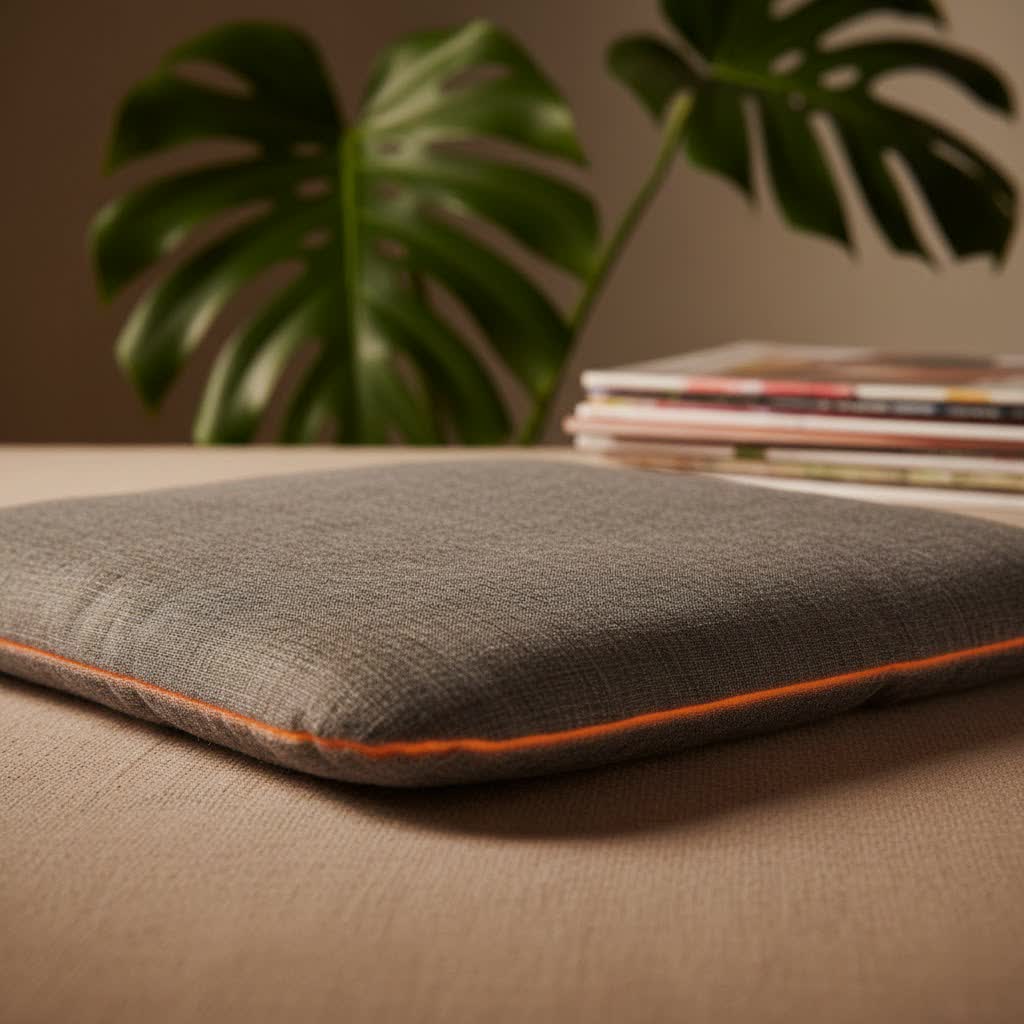
Understanding Electric Heating Pads: Your Path to Pain Relief and Relaxation
An electric heating pad is a therapeutic device designed to deliver targeted warmth to specific areas of the body. Unlike traditional hot water bottles or microwavable pads, electric versions plug into a power outlet, providing a continuous and consistent heat source. At its core, an electric heating pad utilizes the principles of thermotherapy (heat therapy) to promote various health benefits.
The primary use of an electric heating pad is to alleviate pain and discomfort. When applied to the body, heat causes blood vessels to dilate, increasing blood flow to the affected area. This enhanced circulation delivers oxygen and vital nutrients, which can help relax tense muscles, reduce stiffness, and flush out metabolic waste products that contribute to pain. It’s an effective, drug-free method for:
- Muscle Pain and Stiffness: Ideal for post-workout soreness, neck and shoulder tension, or general muscle fatigue.
- Joint Pain: Can provide temporary relief for conditions like arthritis by warming the joints.
- Menstrual Cramps: Heat is a well-known remedy for abdominal discomfort during menstruation.
- Back Pain: Especially beneficial for lower back aches, which often stem from muscle strain.
- Stress and Relaxation: The soothing warmth can help unwind the body and mind, promoting overall relaxation.
While highly beneficial, electric heating pads are not suitable for everyone or every situation. Individuals with neuropathy, reduced skin sensitivity (like those with diabetes or circulatory disorders), or impaired sensation should exercise extreme caution and consult a healthcare provider before use. It’s also advised to avoid using heating pads on broken or damaged skin, open wounds, or while sleeping, unless the device is specifically rated for overnight use with appropriate safety features.
Exploring the Landscape of Heating Pads
The market offers a variety of heating pads, each with unique characteristics. While our focus is on electric heating pads, understanding the differences provides context for why electric models are often preferred for consistent, long-term relief.
-
Electric Heating Pads: These are the most common and versatile. They plug into a wall outlet, offering adjustable and consistent heat settings.
- Pros: Consistent, long-lasting warmth; precise temperature control; often include auto-shutoff safety features; available in various sizes and shapes.
- Cons: Requires a power outlet; limits mobility; potential (though rare, with modern safety features) electrical hazards if misused.
- Special Features: Many electric pads offer moist heat capability (by dampening the cover or using a specific insert), which penetrates deeper and feels gentler, or infrared heat for deeper tissue penetration.
-
Microwavable Heating Pads: Typically filled with natural materials like rice, flaxseed, or clay beads. They are heated in a microwave.
- Pros: Cordless and portable; often doubles as a cold pack; eco-friendly.
- Cons: Heat retention is short-lived; temperature control is imprecise; requires frequent reheating.
-
Chemical Heating Pads (Disposable): These are single-use packs that generate heat through a chemical reaction when activated (e.g., by shaking or exposing to air).
- Pros: Highly portable and convenient for on-the-go relief; no power source needed.
- Cons: Single-use (not environmentally friendly); heat duration and temperature are limited and not adjustable.
-
Hot Water Bottles: A traditional method involving a rubber bottle filled with hot water.
- Pros: Simple and inexpensive; no electricity required.
- Cons: Heat fades quickly; risk of leaks or burns if not sealed properly; less flexible than pads.
Comprehensive Comparison of Heating Pad Types
To help you visualize the differences, here’s a detailed comparison:
| Feature | Electric Heating Pad | Microwavable Heating Pad | Chemical Heating Pad (Disposable) | Hot Water Bottle |
|---|---|---|---|---|
| Heat Source | Electricity | Microwave (natural fills) | Chemical reaction | Hot water |
| Heat Duration | Consistent, long-lasting (hours) | Short-lived (15-30 minutes) | Limited (few hours) | Short-lived (30-60 minutes) |
| Temperature | Adjustable, precise control | Imprecise, varies with heating time | Fixed, non-adjustable | Varies with water temperature, non-adjustable |
| Safety Features | Auto-shutoff, overheat protection, UL certification | Low risk, but can overheat if microwaved too long | Low risk if used as directed | Risk of burns/leaks if misused |
| Portability | Limited by cord (unless battery-powered) | Excellent (cordless) | Excellent (single-use, pocket-sized) | Good |
| Reusability | Yes (many years) | Yes (many times) | No (single-use) | Yes (many years) |
| Cost | Mid-range to High | Low to Mid-range | Very Low (per use) | Very Low |
| Ease of Use | Plug in, select setting | Heat in microwave | Activate pack | Fill with hot water |
| Best For | Consistent, targeted relief at home | Quick, portable relief; cold therapy | Emergency, on-the-go relief | Simple, basic warmth |
For most users seeking reliable, adjustable, and consistent heat therapy at home, the electric heating pad offers the best balance of features, safety, and effectiveness.
Your Buying Guide to the Perfect Electric Heating Pad
Choosing the right electric heating pad involves more than just picking the first one you see. Consider these factors to ensure your selection meets your specific needs.
1. Identify Your Usage Needs
- Target Area: Where on your body do you need relief? A rectangular pad might work for your back or abdomen, while contoured designs are better for necks, shoulders, or knees.
- Purpose: Are you targeting chronic pain, acute muscle spasms, menstrual cramps, or general relaxation?
- Desired Features: Do you need moist heat, extra-large coverage, or a wearable design for mobility?
|
Our Picks for the Best Heating Pad in 2026
As an Amazon Associate I earn from qualifying purchases.
|
||
| Num | Product | Action |
|---|---|---|
| 1 | GENIANI XL Electric Heating Pad for Back Pain & Cramps Relief, Electric Throw, Birthday Christmas Gifts for Women, Men Auto Shut Off, Machine Washable, Heat Pad for Neck & Shoulder, 12×24", Tabby Gray |

|
| 2 | Sunbeam XL Heating Pad for Back Neck and Shoulder Pain Relief with Sponge for Moist Heating Option Extra Large 12 x 24" Blue |
|
| 3 | Sunbeam Premium Sunbeam Heating Pad with Compact Storage, Standard Size, Gray |
|
| 4 | Deka Cherry Stone Filled Heating Pad – 100% Cotton Microwave Heat Pillow 21x21cm – Natural Cherry Pit Neck & Shoulder Warmer, Hot & Cold Compress, Washable Cover |
|
| 5 | Electric Heating pad for Back Neck Shoulder Knee Arms Legs- Electric Heat Pads with 6 Heat Settings & Auto Shut Off &Dry/Moist Heat Heating Pad for Birthday Mother Father Gril Men Women |
|
| 6 | Heating Pads for Back Neck Shoulder Pain, Electric Heating Pad Auto Shut Off, Fast Heat, Large Heating Pad Christmas Gifts for Women Men, Birthday Gifts for Mom Dad (Blue) |
|
| 7 | Deepsoon Heating Pad,Electric Heating Pads for Back,Neck,Abdomen,Moist Heating Pad for Shoulder,Knee,Arms,Legs,Dry/Moist Heat & Auto Shut Off,Christmas Gifts for Men and Women,Light Gray,24x12 Inch |
|
| 8 | GENIANI XL Electric Heating Pad for Back Pain & Cramps Relief, Electric Throw, Auto Shut Off, Machine Washable, Moist Heat Pad for Neck & Shoulder - Christmas Gift for Women, Extra Large 24x12 |
|
| 9 | Heating Pad for Period Cramps, Heating Pad for Back/Neck/Shoulder Muscle Pain, 6 Heating&4 Timer Setting, Auto Shut Off, Dry/Moist Heat & Machine Washable, Gray Birthday Christmas Gifts for Women Mom |
|
| 10 | VAAGHANM Heating Pad: 33 x 17 inches Electric Heating Pad for Back -Extra Large Heat Pad for Shoulder/Neck/Knee/Arms - Upgraded 6 Timer & 6 Temperature Controller -Auto Shut Off |
|
2. Choose the Right Type (Focus on Electric)
Given the advantages, an electric heating pad is often the optimal choice. Within electric pads, consider:
- Standard Electric Heating Pads: Offer consistent dry heat. Many have covers that can be lightly dampened for moist heat.
- Moist Heat Electric Heating Pads: Designed to provide moist heat more effectively, often with a sponge insert or special fabric. This penetrates deeper for muscle relaxation.
- Infrared Heating Pads: Utilize far infrared rays (FIR) to deliver deeper therapeutic heat, often perceived as gentler. These are typically at the higher end of the price spectrum.
- Wearable Electric Heating Pads: Designed with straps or wraps to stay in place, allowing for greater mobility during use.
3. Key Technical Specifications to Check
- Heat Settings & Temperature Range: Look for multiple adjustable heat settings (e.g., low, medium, high) and a clear temperature range (e.g., 105°F to 140°F). Precision digital controls offer greater accuracy than manual dials.
- Auto-Shutoff Timer: An essential safety feature. Most pads automatically turn off after a set time (e.g., 60, 90, or 120 minutes) to prevent overheating or burns, especially if you fall asleep.
- Size and Shape: Ensure the pad is large enough to cover the intended area. Common sizes include 12″x24″ for back/abdomen, smaller pads for joints, and contoured designs for neck and shoulders.
- Material: Look for soft, comfortable, hypoallergenic fabrics like micromink, fleece, or flannel. A removable, machine-washable cover is crucial for hygiene and extending the product’s lifespan.
- Cord Length: A longer cord offers more flexibility in where you can use the pad.
- Safety Certifications: Always check for certifications like UL (Underwriters Laboratories) to ensure the product meets safety standards for electrical devices.
4. Read Reviews and Compare Prices
- User Reviews: Consult online reviews from various platforms (e-commerce sites, health forums). Pay attention to comments regarding heat consistency, durability, ease of use, and customer service.
- Price Comparison: Prices for electric heating pads can range from $20 for basic models to over $100 for premium, specialized, or medical-grade pads. Balance features with your budget, but don’t compromise on essential safety features.
5. Purchase from Reputable Suppliers
- Trusted Brands: Stick to well-known brands with a history of quality and customer support.
- Warranty: Ensure the product comes with a clear warranty policy, as this indicates manufacturer confidence in their product.
Top Electric Heating Pads on the Market Today
Based on performance, safety, and user satisfaction, here are some highly-regarded electric heating pads:
- Pure Enrichment PureRelief XL Heating Pad: Often cited as a top overall pick. It features ultra-soft micromink fabric, multiple heat settings, and a 2-hour auto-shutoff. Its extra-large size makes it versatile for various body parts.
- Sunbeam Heating Pad for Back Pain: Sunbeam is a long-standing brand known for reliability. Many of their models offer targeted relief for back pain with features like a contoured shape, multiple heat settings, and moist heat options.
- Hyperice Venom 2 Back: A high-end wearable option for serious athletes or those with chronic back pain. It combines heat with vibration for deeper relief, though it comes at a premium price point.
These examples represent different price points and feature sets, allowing you to find a model that aligns with your specific needs.
Safe Usage and Maintenance for Your Electric Heating Pad
To maximize the benefits and ensure the longevity of your electric heating pad, proper usage and care are paramount.
How to Use Your Electric Heating Pad Safely:
- Read the Manual: Always begin by reading the manufacturer’s instructions for your specific model.
- Inspect Before Use: Before each use, check the pad and cord for any signs of damage, fraying, or exposed wires. Discontinue use if damaged.
- Place Correctly: Position the heating pad directly on the affected area. For most models, it’s recommended to use a thin cloth barrier (like a shirt or towel) between the pad and your skin to prevent direct skin burns, especially on higher settings.
- Select Appropriate Heat: Start with the lowest heat setting and gradually increase it until you find a comfortable and effective temperature. Too high a temperature can lead to burns.
- Monitor Session Length: Limit sessions to 15-20 minutes at a time, several times a day if needed. Avoid prolonged or overnight use unless the pad is explicitly designed and rated for it with advanced safety features.
- Stay Awake: Do not fall asleep while using a heating pad, even with an auto-shutoff feature, as prolonged exposure to heat can still cause burns.
- Avoid Direct Contact with Water: Unless your pad is specifically designed for moist heat by adding water to a designated insert or dampening a removable cover, never immerse an electric heating pad in water or use it near a bathtub/shower.
- Do Not Fold or Bunch: Avoid folding, crushing, or bunching the pad tightly during use, as this can concentrate heat and potentially damage internal wires or create hot spots.
Maintaining Your Electric Heating Pad:
- Cleaning: Most electric heating pads come with a removable, machine-washable fabric cover. Always unplug the pad and remove the cover before washing according to the care label. For the pad itself, wipe clean with a damp cloth if necessary, ensuring no moisture gets into electrical components.
- Storage: When not in use, store your heating pad flat or loosely rolled in a cool, dry place. Avoid tightly wrapping the cord around the pad, as this can damage the internal wiring over time.
- Professional Insight: “Always prioritize pads with clear safety certifications and never underestimate the importance of the auto-shutoff feature. It’s your primary defense against accidental burns,” advises Dr. Emily R. Thorne, Physical Therapy Specialist.
Conclusion
Electric heating pads are a fantastic tool for managing everyday aches, muscle stiffness, and promoting relaxation, offering a convenient and effective form of heat therapy. By understanding the different types, carefully considering safety features like auto-shutoff, and choosing a model that aligns with your specific needs and body areas, you can unlock a world of soothing comfort. Remember to use your electric heating pad responsibly, follow all safety guidelines, and maintain it properly to ensure years of reliable relief. So, are you ready to embrace the warmth and say goodbye to discomfort with the perfect electric heating pad?
Frequently Asked Questions
Is it safe to sleep with an electric heating pad?
No, it is generally not recommended to sleep with an electric heating pad. While most modern electric heating pads have an auto-shutoff feature, prolonged direct contact with heat, especially while asleep and unable to monitor sensation, can still lead to burns, particularly for individuals with reduced skin sensitivity. Always use it while awake and limit sessions to 15-20 minutes.
Can an electric heating pad help with nerve pain?
Electric heating pads primarily help by relaxing muscles and increasing blood flow, which can indirectly alleviate nerve pain if it’s caused or exacerbated by muscle tension. However, for direct nerve pain (neuropathic pain), heat therapy might not be effective or could even worsen symptoms for some. Consult a healthcare professional for specific advice on nerve pain.
How do I clean my electric heating pad?
Most electric heating pads come with a removable fabric cover that is machine-washable. Always unplug the pad and remove the cover before washing. Refer to the specific care instructions in your product manual for the correct washing temperature and cycle. Never immerse the electrical heating element itself in water.
What’s the difference between dry heat and moist heat?
Dry heat is the standard warmth provided by most electric heating pads. Moist heat, often achieved by lightly dampening the pad’s cover or using a specific moist heat pad, is believed to penetrate tissues more deeply and feel more soothing, especially for stiff joints and muscles.
