Lower back pain is a common ailment that affects millions, turning simple daily tasks into agonizing challenges. Whether it’s a dull ache from prolonged sitting, a sharp spasm after physical exertion, or chronic discomfort, lower back pain can significantly hinder your quality of life. While many solutions exist, a heating pad stands out as a drug-free, convenient, and highly effective way to find relief. This guide will walk you through everything you need to know about selecting and using the best heating pad to soothe your lower back pain, helping you reclaim comfort and mobility.
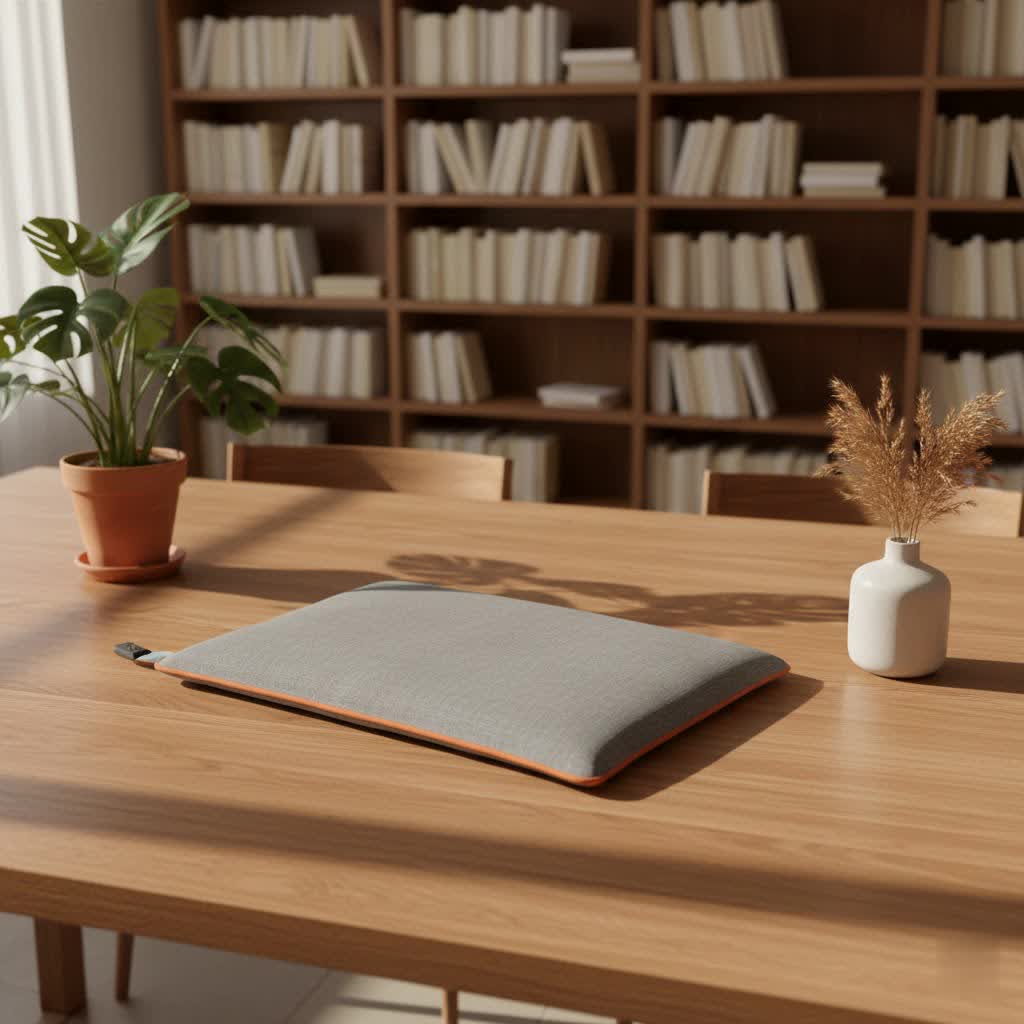
What is a Heating Pad and Why You Need One for Lower Back Pain?
A heating pad is a device designed to apply therapeutic warmth to the body, providing localized relief. For lower back pain, heat therapy works on multiple levels to alleviate discomfort and promote healing.
First, heat helps by dilating blood vessels in the affected area, significantly increasing blood flow. This enhanced circulation delivers a vital supply of oxygen and essential nutrients to the damaged tissues, which is crucial for muscle repair and recovery. Simultaneously, it aids in flushing out metabolic waste products that can contribute to pain.
Second, the soothing warmth works to relax tight muscles and reduce painful muscle spasms, a frequent cause of lower back discomfort. This relaxation also contributes to reduced stiffness, improving the flexibility of the soft tissues around the spine and enhancing your overall range of motion. Moreover, heat therapy stimulates the skin’s sensory receptors, which can effectively block or inhibit the transmission of pain signals to your brain, offering immediate relief.
Heating pads are particularly beneficial for chronic pain, muscle soreness, stiffness, and tension caused by stress or post-workout recovery. They can also be a helpful aid for conditions like mild arthritis. However, it’s crucial to understand when to avoid heat therapy: for acute injuries (within the first 24-48 hours, where ice is usually recommended), on open wounds, inflamed areas, or if you have conditions like deep vein thrombosis, dermatitis, or impaired sensation. Always consult a doctor, especially if you are pregnant or have uncontrolled diabetes, before using a heating pad.
Types of Heating Pads for Lower Back Pain
The market offers a diverse range of heating pads, each with unique characteristics suited for different needs and preferences.
Electric Heating Pads are the most common and widely used type. They feature internal coils that generate heat and typically come with multiple temperature settings, allowing for customizable warmth. Many electric pads also include an automatic shut-off feature for safety and can be used for both dry and moist heat therapy. While convenient and offering consistent heat, their reliance on an electrical outlet can limit mobility.
Infrared Heating Pads, specifically Far Infrared (FIR) pads, convert electricity into infrared light, which penetrates deeper into muscle tissues than traditional surface heat. This deeper penetration is often praised for promoting more profound relief and aiding in cellular healing. Many infrared pads incorporate natural materials like jade or tourmaline, believed to enhance therapeutic benefits. They are typically more expensive but offer advanced, targeted therapy for chronic, deep-seated pain.
Wearable or Belt-style Heating Pads are designed to wrap snugly around the lower back, often with adjustable straps or Velcro closures. These pads offer targeted relief while allowing you to move around freely, making them ideal for use during daily activities or while sitting upright at a desk. They can be electric (corded or battery-powered) and provide a secure, contoured fit to maximize contact with the painful area.
Microwavable Heating Pads are usually filled with natural grains like rice or flaxseed. These cordless options are heated in a microwave, providing a moist, comforting warmth. They are highly portable and budget-friendly, making them great for quick, localized relief or travel. However, their main drawbacks are the shorter duration of heat (typically around 20 minutes) and the lack of precise temperature control.
Chemical Heat Wraps are disposable, single-use pads that generate heat through a chemical reaction when exposed to air. They are thin, discreet, and can be worn under clothing, providing low-level continuous heat for several hours. These wraps are excellent for on-the-go relief but offer less intense heat compared to electric pads and are not reusable.
Comparing Heating Pads for Lower Back Pain
Choosing the right heating pad depends on your specific needs. Here’s a comparison to help you understand the differences:
| Type | Heat Penetration | Temperature Control | Portability | Ideal Use |
|---|---|---|---|---|
| Electric | Moderate | Yes (multiple settings) | Limited (corded) | General aches, stiffness, chronic pain |
| Infrared (FIR) | Deep | Yes (often precise) | Variable | Chronic, deep muscle pain, healing support |
| Wearable/Wrap | Moderate | Yes (electric models) | High (cordless options) | Targeted pain, active use, daily tasks |
| Microwavable | Moderate (moist) | No | High | Quick relief, localized aches, travel |
| Chemical Wraps | Low-Moderate | No | Very High | Discreet, continuous low-level heat on-the-go |
Your Comprehensive Buying Guide: How to Choose the Best Heating Pad
Navigating the array of heating pads can be daunting, but focusing on key factors will help you find the perfect match for your lower back pain.
1. Identify Your Specific Needs
- Target Area: Do you need coverage specifically for the lower back, or a versatile pad for other body parts too? Look for large (e.g., 12×24 inches or larger) or contoured designs that fit the lumbar region well.
- Type of Pain: For chronic, deep-seated pain, an infrared pad might be most effective. For muscle stiffness or general aches, an electric or microwavable pad can suffice.
- Mobility Requirements: If you need to move around while applying heat, a wearable, cordless electric, or chemical wrap is ideal. For stationary use, a traditional electric pad works well.
|
Our Picks for the Best Heating Pad in 2026
As an Amazon Associate I earn from qualifying purchases.
|
||
| Num | Product | Action |
|---|---|---|
| 1 | Heating Pads for Back Neck Shoulder Pain, Electric Heating Pad Auto Shut Off, Fast Heat, Large Heating Pad Christmas Gifts for Women Men, Birthday Gifts for Mom Dad (Blue) |

|
| 2 | Deka Cherry Stone Filled Heating Pad – 100% Cotton Microwave Heat Pillow 21x21cm – Natural Cherry Pit Neck & Shoulder Warmer, Hot & Cold Compress, Washable Cover |
|
| 3 | GENIANI XL Electric Heating Pad for Back Pain & Cramps Relief, Electric Throw, Birthday Christmas Gifts for Women, Men Auto Shut Off, Machine Washable, Heat Pad for Neck & Shoulder, 12×24", Tabby Gray |
|
| 4 | Electric Heating pad for Back Neck Shoulder Knee Arms Legs- Electric Heat Pads with 6 Heat Settings & Auto Shut Off &Dry/Moist Heat Heating Pad for Birthday Mother Father Gril Men Women |
|
| 5 | Sunbeam Premium Sunbeam Heating Pad with Compact Storage, Standard Size, Gray |
|
| 6 | VAAGHANM Heating Pad: 33 x 17 inches Electric Heating Pad for Back -Extra Large Heat Pad for Shoulder/Neck/Knee/Arms - Upgraded 6 Timer & 6 Temperature Controller -Auto Shut Off |
|
| 7 | GENIANI XL Electric Heating Pad for Back Pain & Cramps Relief, Electric Throw, Auto Shut Off, Machine Washable, Moist Heat Pad for Neck & Shoulder - Christmas Gift for Women, Extra Large 24x12 |
|
| 8 | Deepsoon Heating Pad,Electric Heating Pads for Back,Neck,Abdomen,Moist Heating Pad for Shoulder,Knee,Arms,Legs,Dry/Moist Heat & Auto Shut Off,Christmas Gifts for Men and Women,Light Gray,24x12 Inch |
|
| 9 | Heating Pad for Period Cramps, Heating Pad for Back/Neck/Shoulder Muscle Pain, 6 Heating&4 Timer Setting, Auto Shut Off, Dry/Moist Heat & Machine Washable, Gray Birthday Christmas Gifts for Women Mom |
|
| 10 | Sunbeam XL Heating Pad for Back Neck and Shoulder Pain Relief with Sponge for Moist Heating Option Extra Large 12 x 24" Blue |
|
2. Consider Key Features
- Size and Coverage: Ensure the heating pad is large enough to cover your entire lower back comfortably. Wraps and extra-large pads are often best for this area.
- Heat Settings: Multiple adjustable temperature levels (typically 3 to 6) are crucial. This allows you to customize the intensity of the heat, finding the most comfortable and effective level for your pain without risking burns.
- Moist vs. Dry Heat: Some electric pads offer both options. Moist heat, often achieved by dampening the pad’s cover, can penetrate deeper into tissues and feel more soothing, especially for dry or sensitive skin. Dry heat is convenient and portable.
- Safety Features: An automatic shut-off timer is non-negotiable. This feature prevents overheating and burns, particularly if you fall asleep while using the pad. Look for products with overheating protection and UL certification.
- Material and Comfort: A soft, plush, and comfortable fabric cover is essential for a pleasant experience. Ideally, the cover should be removable and machine-washable for easy hygiene.
- Cord Length (for electric pads): A long cord (9-10 feet) provides greater flexibility and allows you to use the pad from various locations without being tethered too close to an outlet.
- Portability: If you travel frequently or need relief outside your home, consider cordless, battery-operated electric pads, compact microwavable options, or chemical heat wraps.
- Durability and Warranty: Investing in a high-quality product ensures longevity. A good warranty (e.g., 5 years) indicates the manufacturer’s confidence in their product’s durability.
3. Read Reviews and Compare Prices
Always check user reviews and expert ratings to gauge a product’s real-world performance, comfort, and durability. Compare prices from different reputable retailers to ensure you’re getting the best value.
4. Purchase from Reputable Brands/Retailers
Choose well-known brands that have a good reputation for quality and customer service. Ensure the retailer offers clear return and warranty policies.
Top Recommended Heating Pads for Lower Back Pain
Based on performance, features, and user satisfaction, here are some top heating pads highly regarded for lower back pain relief:
-
1. Pure Enrichment PureRelief XL Heating Pad:
- Key Features: Extra-large size (12×24 inches), 6 heat settings, 2-hour auto shut-off, soft microplush, machine-washable cover.
- Pros: Offers excellent coverage for the entire lower back, quick heating, versatile for other body parts, and provides great value.
- Why it’s great for lower back pain: Its generous size and multiple heat settings allow for comprehensive and customizable relief of general aches and muscle stiffness across the lumbar region.
-
2. Sunbeam Carbon Heat Thermabelt Heating Pad / Sunbeam Heating Pad Back Wrap:
- Key Features: Wearable design with an adjustable belt for a secure, contoured fit, multiple heat settings, auto shut-off.
- Pros: Stays firmly in place, providing targeted and consistent heat specifically to the lower back area, allowing for mobility.
- Why it’s great for lower back pain: Ideal for individuals who need targeted relief while sitting, standing, or engaging in light activities, ensuring the heat stays exactly where it’s needed.
-
3. Geniani Extra Large Electric Heating Pad XL:
- Key Features: Extra-large, exceptionally fast heating (reaching therapeutic temperatures in under 90 seconds), 3 heat settings, auto shut-off, soft microplush, machine washable.
- Pros: Rapid heat delivery means faster relief, excellent broad coverage for the back, and comfortable material.
- Why it’s great for lower back pain: Perfect for those seeking immediate and extensive relief across a large portion of their lower back, quickly alleviating widespread soreness and tension.
-
4. UTK Natural Jade and Tourmaline Heat Pad (Far Infrared):
- Key Features: Far-infrared technology with natural jade and tourmaline stones, precise temperature control, large size, memory function, auto shut-off.
- Pros: Delivers deep, penetrating heat for profound muscle relaxation and supports healing, with added therapeutic benefits from the gemstones.
- Why it’s great for lower back pain: Recommended for chronic, deep-seated lower back pain where conventional surface heat may not be sufficient, offering a more intensive therapeutic experience.
Safe Usage and Maintenance for Your Heating Pad
To ensure your heating pad remains a safe and effective tool for pain relief, proper usage and maintenance are crucial.
Using Safely:
- Use a Barrier: Always place a thin cloth or towel between the heating pad and your bare skin. This prevents direct contact, which can lead to burns, especially with higher heat settings.
- Start Low, Go Slow: Begin with the lowest heat setting and gradually increase it only if necessary and comfortable. Your goal is soothing warmth, not intense heat.
- Mind the Time: For higher settings, limit application to 15-30 minutes. On lower settings, you can extend usage up to one hour. Avoid continuous high-heat application. Some specialized low-level heat wraps are designed for extended periods (up to 8 hours), but always check manufacturer guidelines.
- Never Sleep With It On: Despite auto shut-off features, never fall asleep with an electric heating pad. Prolonged contact, even at lower temperatures, can still cause burns, particularly if your sensation is compromised.
- Avoid Damaged Skin: Do not apply a heating pad to open wounds, inflamed areas, rashes, or skin with impaired sensation.
- Check for Damage: Before each use, inspect the pad and its electrical cord for any signs of wear, fraying, cracks, or damage. Discontinue use immediately if any damage is found.
Care and Maintenance:
- Clean Regularly: Many electric heating pads come with removable, machine-washable covers. Follow the manufacturer’s cleaning instructions to maintain hygiene. For non-washable pads, wipe clean with a damp cloth after unplugging.
- Store Properly: When not in use, store your heating pad in a cool, dry place, away from direct sunlight or extreme temperatures. Avoid wrapping the cord tightly around the pad, as this can cause damage over time.
- Inspect Periodically: Regularly check the pad and cord for any signs of wear, kinks, or damage that could compromise safety or performance. Replace older heating pads that show significant signs of age.
Conclusion
Living with lower back pain can be challenging, but a carefully chosen heating pad offers a powerful, non-invasive path to relief. By understanding the diverse types available, prioritizing essential features like safety, customizable heat, and comfortable materials, and adhering to proper usage and maintenance guidelines, you can significantly alleviate discomfort and improve your quality of life. Whether you opt for a versatile electric pad, a deep-penetrating infrared model, or a convenient wearable wrap, the right heating pad can become your trusted ally against lower back pain. Don’t let discomfort hold you back any longer; discover the soothing power of heat therapy and embrace a more comfortable, active lifestyle.
What kind of relief are you seeking for your lower back today?
Frequently Asked Questions
Is it safe to sleep with a heating pad on my lower back?
It is generally not recommended to sleep with an electric heating pad on, even if it has an auto shut-off feature. Prolonged contact, especially if you move in your sleep or have reduced skin sensation, can still lead to burns. For overnight relief, consider specialized low-level continuous heat wraps designed for extended wear.
How long can I use a heating pad for back pain?
For higher heat settings, limit use to 15-30 minutes at a time. For lower settings, you can extend usage up to one hour. Always follow the manufacturer’s specific instructions, and monitor your skin for any redness or irritation.
Should I use heat or ice for lower back pain?
For acute injuries (like a recent sprain) within the first 24-48 hours, ice is usually recommended to reduce swelling and inflammation. For chronic pain, stiffness, or muscle soreness, heat therapy is more beneficial as it increases blood flow, relaxes muscles, and improves flexibility. Some individuals find alternating between hot and cold therapy to be most effective.
Are infrared heating pads truly better for deep pain?
Infrared heating pads are designed to emit far-infrared light, which penetrates deeper into muscle tissues than the surface heat from traditional electric pads. This deeper penetration can be more effective for addressing chronic, deep-seated muscle pain and stiffness, promoting more profound relaxation and aiding the healing process from within.
Can heating pads help with sciatica?
Yes, heating pads can help alleviate sciatica pain by relaxing the muscles that may be irritating the sciatic nerve, increasing blood flow to the affected area, and reducing overall muscle stiffness. While heat can provide comfort, it’s essential to consult a healthcare professional for a proper diagnosis and treatment plan for sciatica.
