Do you ever find yourself battling everyday aches, muscle stiffness, or the persistent chill of a cold day? A heating pad can be a true comfort, offering soothing warmth and therapeutic relief. While store-bought options are readily available, creating your own DIY heating pad is a surprisingly simple, cost-effective, and highly customizable solution. It allows you to harness the power of natural heat therapy right in your home, tailored to your specific needs and preferences. This guide will walk you through everything you need to know, from understanding the benefits to crafting your own safe and effective heating pads.
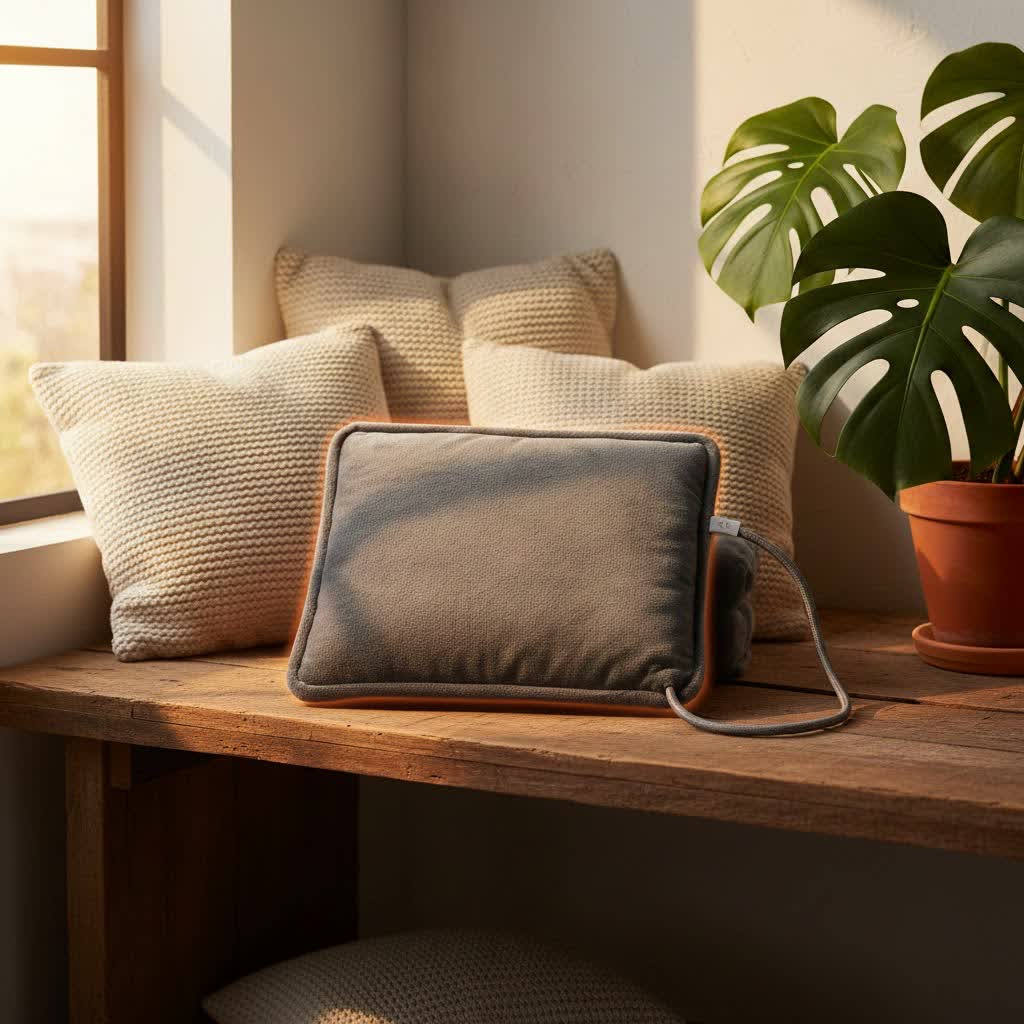
What is a Heating Pad and Why Make Your Own?
A heating pad is a device designed to apply localized heat to the body, a practice known as thermotherapy or heat therapy. When applied, heat increases blood flow to the affected area, promoting muscle relaxation and helping to reduce stiffness in joints. This increased circulation brings more oxygen and nutrients to injured cells, which can accelerate the healing process and provide significant relief from various discomforts. Many people turn to heating pads to alleviate neck pain, back pain, muscle aches, arthritis symptoms, and menstrual cramps.
Making your own heating pad offers several compelling advantages over purchasing one. Firstly, it’s incredibly cost-effective, often utilizing materials you already have around the house. Secondly, DIY heating pads are highly customizable in terms of size, shape, and even scent, allowing you to create a perfect fit for any part of your body. Finally, they provide a natural and chemical-free way to enjoy therapeutic heat. While effective for muscle aches and general warmth, it’s always wise to consult a healthcare professional for new injuries or underlying medical conditions to ensure heat therapy is the most suitable approach.
Types of DIY Heating Pads: A Simple Breakdown
Homemade heating pads generally fall into two main categories: quick and easy no-sew options, and more durable sewn fabric versions. Each offers distinct benefits depending on your needs and available time.
No-Sew Options (Quick & Easy)
These methods are perfect for immediate relief and require minimal effort or specialized tools.
-
Rice Sock Heating Pad: This is arguably the most popular and straightforward DIY heating pad.
- Materials: An old, clean cotton sock and uncooked rice (or similar fillers).
- Process: Simply fill the sock three-quarters full with rice, tie or sew the end shut, and microwave it.
- Pros: Extremely easy and quick to make, uses common household items, and the granular filler molds comfortably to the body.
- Cons: Limited in size and shape by the sock, and may not be as durable as sewn options.
-
Wet Dishcloth/Towel Compress: For quick, moist heat.
- Materials: A clean dishcloth or towel, and a microwave-safe freezer bag (for dishcloths) or an oven.
- Process: Dampen the cloth, heat it in the microwave (in a bag) or a warm oven, then wrap it in a dry cloth before applying.
- Pros: Provides immediate, penetrating moist heat, and uses readily available items.
- Cons: The heat fades faster than dry fillers, and it can be a bit messier.
|
Our Picks for the Best Heating Pad in 2026
As an Amazon Associate I earn from qualifying purchases.
|
||
| Num | Product | Action |
|---|---|---|
| 1 | VAAGHANM Heating Pad: 33 x 17 inches Electric Heating Pad for Back -Extra Large Heat Pad for Shoulder/Neck/Knee/Arms - Upgraded 6 Timer & 6 Temperature Controller -Auto Shut Off |

|
| 2 | Sunbeam Premium Sunbeam Heating Pad with Compact Storage, Standard Size, Gray |
|
| 3 | Heating Pad for Period Cramps, Heating Pad for Back/Neck/Shoulder Muscle Pain, 6 Heating&4 Timer Setting, Auto Shut Off, Dry/Moist Heat & Machine Washable, Gray Birthday Christmas Gifts for Women Mom |
|
| 4 | GENIANI XL Electric Heating Pad for Back Pain & Cramps Relief, Electric Throw, Auto Shut Off, Machine Washable, Moist Heat Pad for Neck & Shoulder - Christmas Gift for Women, Extra Large 24x12 |
|
| 5 | Sunbeam XL Heating Pad for Back Neck and Shoulder Pain Relief with Sponge for Moist Heating Option Extra Large 12 x 24" Blue |
|
| 6 | GENIANI XL Electric Heating Pad for Back Pain & Cramps Relief, Electric Throw, Birthday Christmas Gifts for Women, Men Auto Shut Off, Machine Washable, Heat Pad for Neck & Shoulder, 12×24", Tabby Gray |
|
| 7 | Electric Heating pad for Back Neck Shoulder Knee Arms Legs- Electric Heat Pads with 6 Heat Settings & Auto Shut Off &Dry/Moist Heat Heating Pad for Birthday Mother Father Gril Men Women |
|
| 8 | Heating Pads for Back Neck Shoulder Pain, Electric Heating Pad Auto Shut Off, Fast Heat, Large Heating Pad Christmas Gifts for Women Men, Birthday Gifts for Mom Dad (Blue) |
|
| 9 | Deepsoon Heating Pad,Electric Heating Pads for Back,Neck,Abdomen,Moist Heating Pad for Shoulder,Knee,Arms,Legs,Dry/Moist Heat & Auto Shut Off,Christmas Gifts for Men and Women,Light Gray,24x12 Inch |
|
| 10 | Deka Cherry Stone Filled Heating Pad – 100% Cotton Microwave Heat Pillow 21x21cm – Natural Cherry Pit Neck & Shoulder Warmer, Hot & Cold Compress, Washable Cover |
|
Sewn Fabric Heating Pads (Durable & Customizable)
For those who enjoy a bit of crafting, sewn fabric heating pads offer greater longevity and aesthetic appeal.
- Materials: 100% cotton fabric, uncooked rice, flaxseed, or corn, along with basic sewing supplies like thread, scissors, and a sewing machine (though hand-sewing is possible). Essential oils are optional for a fragrant touch.
- Pros: You can customize the size and shape to fit specific body parts (e.g., long for the back, U-shaped for the neck), they are more durable, and you can choose attractive fabrics. The ability to add internal channels prevents filler from clumping.
- Cons: Requires basic sewing skills and takes a bit more time to construct compared to no-sew methods.
How to Make Your Own DIY Heating Pad (Step-by-Step Guides)
Whether you need instant warmth or a lasting comfort companion, these step-by-step guides will help you create your ideal heating pad.
Method 1: The Classic Rice Sock Heating Pad (No-Sew)
This method is incredibly fast and perfect for a quick fix.
- Gather Materials: You’ll need one clean, old cotton sock (a tube sock works well for larger areas) and about 2-3 cups of uncooked white rice. For added relaxation, consider a few drops of lavender essential oil.
- Fill the Sock: Carefully pour the rice into the sock, filling it about three-quarters of the way. Leave enough room at the top to tie a secure knot or closure. If using essential oils, add 15-20 drops to the rice in a bowl and mix thoroughly before filling the sock.
- Seal It: Tie a tight knot at the open end of the sock, or secure it with a strong rubber band or string to ensure the rice stays inside.
- Heat it Up: Place the sock heating pad in the microwave. Start heating on high for 1 minute.
- Test and Apply: Carefully remove the heating pad from the microwave. It will be hot. Test the temperature on the inside of your arm. If it’s not warm enough, microwave in additional 30-second intervals, never exceeding a total of 2-3 minutes. Once it reaches a comfortably warm temperature, apply it to the desired area. For sensitive skin, or if it feels too hot, wrap it in a thin towel.
Method 2: Sewn Fabric Heating Pad (for lasting comfort)
This option offers more customization and durability, making it feel more like a professional product.
- Materials You’ll Need: Two pieces of 100% cotton fabric (e.g., 12×6 inches each for a medium-sized pad), uncooked white rice or flaxseed, 100% cotton thread, sewing machine (or needle for hand-sewing), scissors, a funnel, and pins. Essential oils are optional.
- Cut and Prepare Fabric: Cut your two fabric pieces to your desired size. Ensure both are identical. Place the two pieces of fabric right sides together (the patterned or ‘good’ sides facing each other).
- Sew the Pouch: Using a sewing machine (with a reduced stitch length of 1.5 to prevent rice from slipping through) or by hand, sew along three of the four edges, leaving one short side completely open. Use a ¼-inch seam allowance. Clip the corners diagonally, being careful not to cut the stitches. Turn the fabric pouch right side out, gently poking out the corners for a crisp shape.
- Optional: Create Sections (for even heat distribution): To prevent the filler from clumping to one side, you can create internal channels. Flatten your pouch. Fold it into thirds or halves and mark these lines with a temporary fabric marker. Sew along these marked lines from edge to edge, ensuring the seams are strong. This divides the pouch into compartments.
- Fill the Pouch: Using a funnel, carefully fill each section (or the entire pouch if not sectioned) with your chosen filler, about three-quarters full. This allows the pad to remain flexible and contour to your body. If you wish to add essential oils, mix them with the dry filler in a bowl before funneling it into the fabric pouch.
- Close the Opening: Fold the raw edges of the open side inwards by about ¼ inch. Pin the folded edges together. Carefully topstitch this opening closed, sewing as close to the edge as possible and backstitching at the beginning and end for security.
- Heat and Use: Place your finished sewn heating pad in the microwave. Start with 1.5 minutes on high. Always test the temperature on your inner arm before applying to your body. Adjust heating time in 30-second increments if needed, but do not exceed 2-3 minutes total.
Best Fillers for DIY Heating Pads
Choosing the right filler is key to a functional and effective DIY heating pad. Each material has unique properties that affect heat retention and pliability.
- Rice (White/Jasmine): This is the most common and widely recommended filler. White rice, including jasmine, offers excellent heat retention, is affordable, and widely available. Its small, consistent grains make for a pliable pad that conforms well to the body. Avoid instant rice, which can burn.
- Flaxseed: Often considered a premium filler, flaxseed is finer and slightly heavier than rice, allowing it to mold exceptionally well to curves of the body. It also retains heat effectively and is a popular choice for aromatherapy pads due to its ability to hold scents.
- Corn (Dried): Dried corn kernels provide good heat retention and a substantial feel. They are a suitable alternative to rice but can sometimes be slightly heavier and less pliable. Ensure you use dried, feed-grade corn, not popcorn kernels which can pop.
- Barley/Oatmeal: These grains offer similar heat retention and texture properties to rice and can be used interchangeably. They are good alternatives if rice or flaxseed aren’t available.
- Avoid: Never use instant rice, popcorn kernels, or heavily processed grains, as these can easily burn or pop in the microwave, posing a fire hazard.
Safety First: Important Precautions for Homemade Heating Pads
While DIY heating pads are wonderful, safety must always be your top priority. Improper use can lead to burns or even fire.
- Always Test Temperature: Before applying any heating pad to your skin, always test its warmth on the inside of your wrist or arm. It should feel comfortably warm, never hot or scalding.
- Avoid Overheating: Do not microwave your heating pad for more than 2-3 minutes total. Overheating can cause the filler to burn, potentially leading to a fire or severe burns to the skin. Start with shorter intervals (e.g., 1 minute, then 30 seconds) and gradually increase as needed.
- Use a Barrier: Always place a towel or a dry cloth between the heating pad and your bare skin, especially if you have sensitive skin or are using it for an extended period. This provides an extra layer of protection against burns.
- Never Sleep With It: Do not fall asleep while using a heating pad. If it overheats or stays in one spot for too long, it can cause burns.
- Supervise and Consult: Homemade heating pads are not recommended for young children, older adults, pregnant individuals, or anyone with heat sensitivity issues without prior consultation with a healthcare professional. These groups are more susceptible to burns or adverse reactions.
- Medical Conditions: If you have new injuries, inflammation, nerve damage, circulatory problems, or other serious medical conditions, consult your doctor before using heat therapy.
- Ensure Dry Materials: For rice or seed-filled pads, ensure all filler materials are completely dry before microwaving. Moisture can cause steam burns or even fire.
- Use 100% Cotton Fabric: This is crucial for sewn heating pads that will be microwaved. Synthetic fabrics can melt, degrade, or even catch fire when exposed to microwave heat.
“When making or using any homemade heating pad, treat it with the same respect you would an electrical appliance. Simple precautions like temperature testing and never sleeping with it can prevent serious burns.” – Dr. Emily Chen, Physical Therapist specializing in pain management.
Care and Maintenance for Your DIY Heating Pad
Proper care will extend the life of your homemade heating pad and ensure its continued effectiveness and safety.
- Spot Clean Only: For rice or seed-filled heating pads, never submerge them in water. Water will spoil the grain filler, leading to mold or an unpleasant odor. Instead, spot clean any soiled areas with a lightly damp cloth and mild soap. Allow it to air dry completely before reheating.
- Store in a Dry Place: Keep your heating pad in a cool, dry place when not in use. This prevents moisture absorption, which can lead to mildew, spoilage of the filler, or even attract insects.
- Check for Damage: Regularly inspect your heating pad for any tears, holes, or fraying in the fabric. If the integrity of the pad is compromised, the filler could leak out, or it could pose a safety risk during heating. Repair or replace as needed.
- Reheat Safely: Always follow the recommended heating instructions each time you use your pad. Repeated overheating can degrade the filler and the fabric over time. If you notice a persistent burnt smell, it’s time to discard the pad and make a new one.
Conclusion
DIY heating pads offer a simple, natural, and incredibly effective way to find comfort and relief from everyday aches and pains. Whether you choose the quick rice sock method or a more durable sewn fabric design, the ability to customize your warmth and target specific areas of your body is a true advantage. Beyond their therapeutic benefits for muscle relaxation and pain management, these homemade wonders also provide an inexpensive and eco-friendly alternative to store-bought options. By following the easy steps and, most importantly, prioritizing safety, you can enjoy the soothing embrace of homemade warmth whenever you need it most. So, why not gather your materials and craft your own cozy companion? What creative twists will you add to your homemade heating pad?
Frequently Asked Questions
How long do DIY rice heating pads stay warm?
Typically, a microwave rice heating pad will stay comfortably warm for about 20-30 minutes, depending on its size, the amount of filler, and the initial heating time.
Can I wash my DIY heating pad?
For rice or seed-filled pads, direct washing is not recommended as it will ruin the filler. Instead, spot clean any soiled areas with a lightly damp cloth and mild soap, then allow it to air dry completely.
What’s the best filler for a DIY heating pad?
White rice is a popular and effective choice due to its excellent heat retention and affordability. Flaxseed is also highly regarded for its ability to conform closely to the body and its finer texture.
Is it safe to add essential oils to a homemade heating pad?
Yes, a few drops of essential oils, such as lavender for relaxation, can be added to the dry filler for an aromatherapy effect. Mix them thoroughly with the filler before sealing the pad to ensure even distribution.
Can I use any fabric for a sewn heating pad?
It is crucial to use 100% cotton fabric, especially if you plan to microwave your heating pad. Synthetic fabrics can melt, degrade, or pose a fire hazard when exposed to heat.
What should I do if my DIY heating pad smells burnt?
If your heating pad develops a burnt smell, immediately stop using it, allow it to cool completely in a safe, non-flammable location, and then discard it. A burnt smell usually indicates overheating and is a sign of potential fire hazard.
Can DIY heating pads replace electric ones?
DIY heating pads offer temporary, localized relief and are excellent for occasional use. While effective, they may not offer the consistent, prolonged heat or advanced features (like auto shut-off, precise temperature control) that electric heating pads typically provide.
